
A strong, simple, sustainable strength routine for real women’s bodies can be built around 20–30 minute sessions once or twice a week that focus on everyday function rather than appearance, and it can sit comfortably alongside other positive choices you might make about your body, including medical options offered by trusted clinics such as Centre for Surgery in Marylebone. Evidence from large studies shows that even modest, consistent strength work improves health, independence and quality of life at every age, particularly for women who are not interested in high‑intensity gym culture.
Strong Enough For Real Life
In 2022, only 24.3% of US adults met both the aerobic and muscle‑strengthening activity guidelines, according to analyses of the National Health Interview Survey, which means most people still miss out on the benefits of regular strength work. Among adults 65 and older, just 13.9% met those combined guidelines, with adherence dropping steeply above age 75, so the very time of life when strength matters most is when it is least common.
That matters because muscle‑strengthening is closely linked with living longer and staying healthier. A 2022 meta‑analysis of cohort studies found that people who did weekly muscle‑strengthening activities had roughly 10–17% lower risks of death from any cause, cardiovascular disease, total cancer, diabetes and lung cancer compared with those who did none. Another synthesis on resistance training and mortality suggested the greatest reduction in death risk appeared around 60 minutes of strength work per week, with little extra benefit at much higher volumes, which is encouraging if your schedule is tight.
Women benefit in particular. In the US Women’s Health Study, which followed nearly 29,000 women for around 12 years, those who did some weekly strength training and also met basic aerobic guidelines had about 46% lower all‑cause mortality than peers who did neither form of exercise. That combination of lifting and movement like walking or cycling is exactly what many women can manage in real life.
Strength training also shows up clearly in how well women can handle daily tasks. Trials of resistance training in community‑dwelling middle‑aged and older adults found that programs of at least 12 weeks improved “functional autonomy” measures such as getting up from a chair, climbing stairs and walking tests, compared with control groups who did not train. In older women with knee osteoarthritis, 13 weeks of twice‑weekly progressive resistance training improved sit‑to‑stand performance, stair climbing, walking distance and balance, which translates directly into feeling steadier on uneven pavements or when carrying loads.
Put simply, the research ties regular strength work to the exact things you probably care about most: staying independent, being able to lift what you need to lift, and moving without feeling fragile. Once you know that, the next question becomes how to do it in a way that actually fits your week and your energy levels.
20‑Minute Strength Blueprint
The US Physical Activity Guidelines, summarised by the CDC, recommend that adults work all major muscle groups with muscle‑strengthening activities on at least two days each week, alongside moderate or vigorous aerobic activity. The encouraging part is that you don’t need complicated programming to reach that standard. A 2023 review on resistance‑training prescription concluded that virtually all structured strength programs beat doing nothing, and that at least two sessions per week with a couple of sets per exercise give a very high chance of measurable gains in strength and muscle size.
Research on lower‑dose training supports short, focused sessions for busy or less active adults. A 2024 trial in older participants showed that even once‑weekly submaximal eccentric resistance training over 12 weeks improved neuromuscular function about as well as twice‑weekly sessions, which suggests that starting small can still move the needle. A broader 2023 examination of lower‑intensity and lower‑frequency resistance training found that reduced‑dose programs remain effective for older adults, especially when they target large muscle groups.
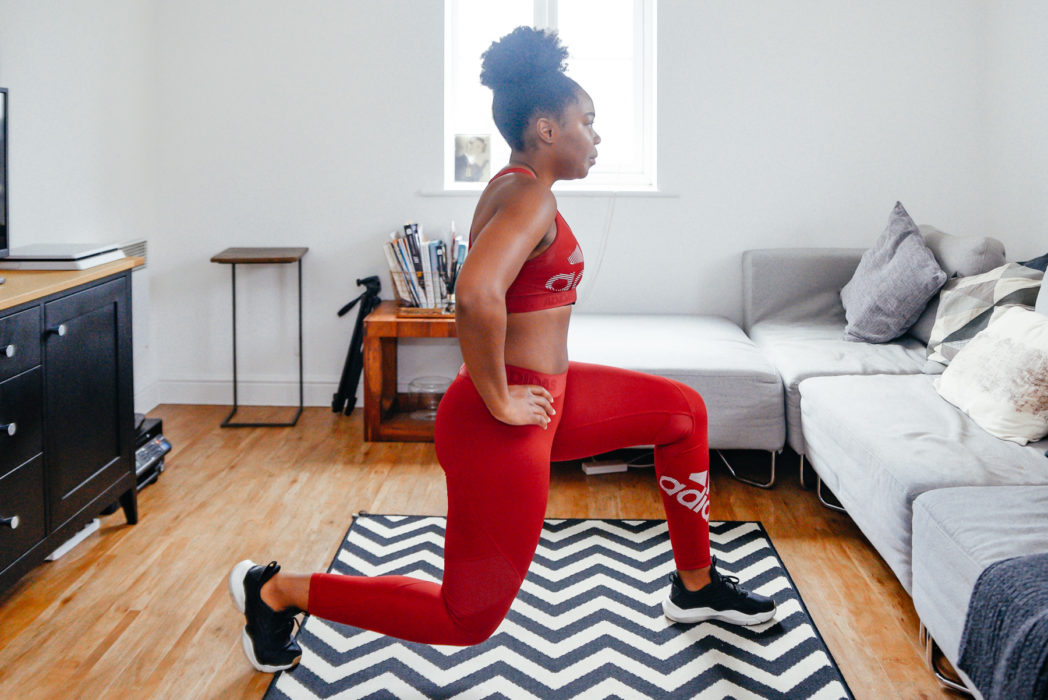
That evidence gives you room to think of strength as a “blueprint” rather than a rigid schedule. One simple, home‑friendly way to structure 20–30 minutes is to cover a handful of movement patterns that match everyday life: A squat or sit‑to‑stand, a hip hinge like a deadlift or good‑morning, a push, a pull and some kind of carry or loaded hold
Those patterns can be done with bodyweight, resistance bands or a couple of dumbbells, and as long as the last few repetitions feel challenging, you’re working at a useful intensity.
Qualitative research on physical activity in women highlights familiar barriers: lack of time, not knowing what to do, feeling judged in weight‑room spaces and worrying about injury. A short routine built around simple patterns you can do at home directly addresses those concerns, because you control the environment, the pace and the progress. Some women also consider options such as cosmetic surgery when they want to feel different in their bodies, yet strength training offers something unique: stronger joints, better balance and cardiovascular protection that no procedure can provide.
If all you can commit to at first is a single 20‑minute session each week that works these patterns, you’re already well ahead of the large majority of adults who don’t meet strength guidelines at all. As life allows, building toward a second weekly session simply nudges you closer to the “sweet spot” that research suggests is especially protective for long‑term health.
Stronger Body, Calmer Mind
The benefits of strength training show up in how women feel, not just in lab values and test results. Reporting from NBC in 2023 described how the growing popularity of strength training came with women saying they felt more capable, more energised and more resilient in daily life, not simply more “toned”. A BBC feature on the rise of female weightlifting shared similar themes, with women describing how lifting weights helped them feel more confident, less self‑conscious and more in control of their bodies.
So as you think about adding strength work, it can help to ask a different kind of progress question. Instead of “How do I look after a month of this routine?”, you might ask “Which everyday task would feel easier if my legs, back and arms were a bit stronger?” That might be climbing stairs without pausing, hoisting a suitcase overhead or kneeling down to play with a child and getting back up comfortably, and all of those are the kinds of abilities that improved in the trials you read about earlier.
The fact that so few adults, especially older adults, meet strength guidelines means there is a wide open opportunity to gain benefits that many people around you are not yet accessing. A simple way to begin is to treat one 20‑minute strength session this week as a non‑negotiable appointment with your future self, choosing movements that feel safe and doable now and gradually adding load or repetitions as they become easier.
Strength training will never be the only path to feeling good in your body, yet the evidence suggests it is one of the most efficient ways to protect your health, independence and confidence for years to come. If a routine this small can make that kind of difference, what is the most realistic way for you to give your muscles a little attention this week?