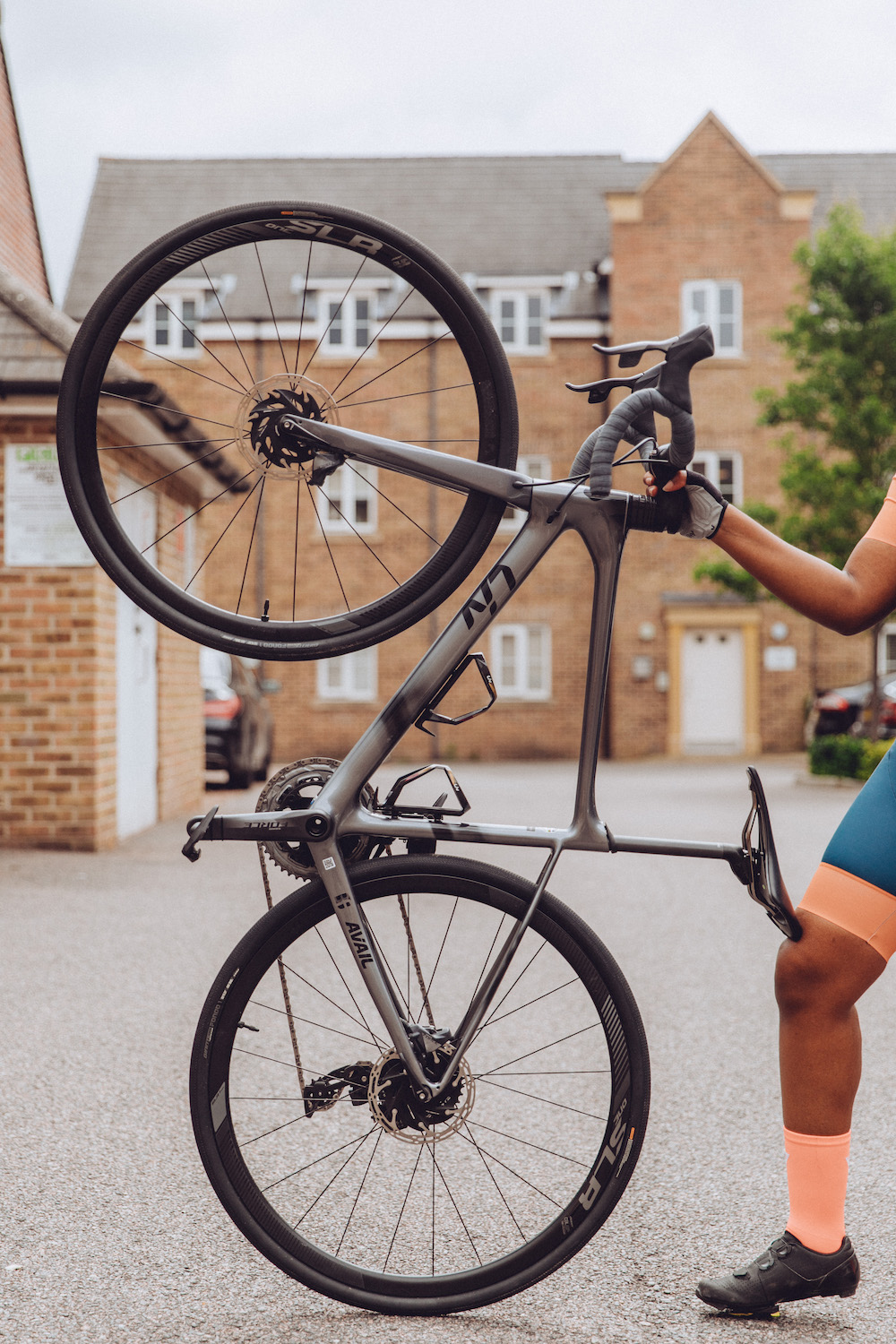
Sponsored: this post is written in partnership with Bolt Pharmacy.
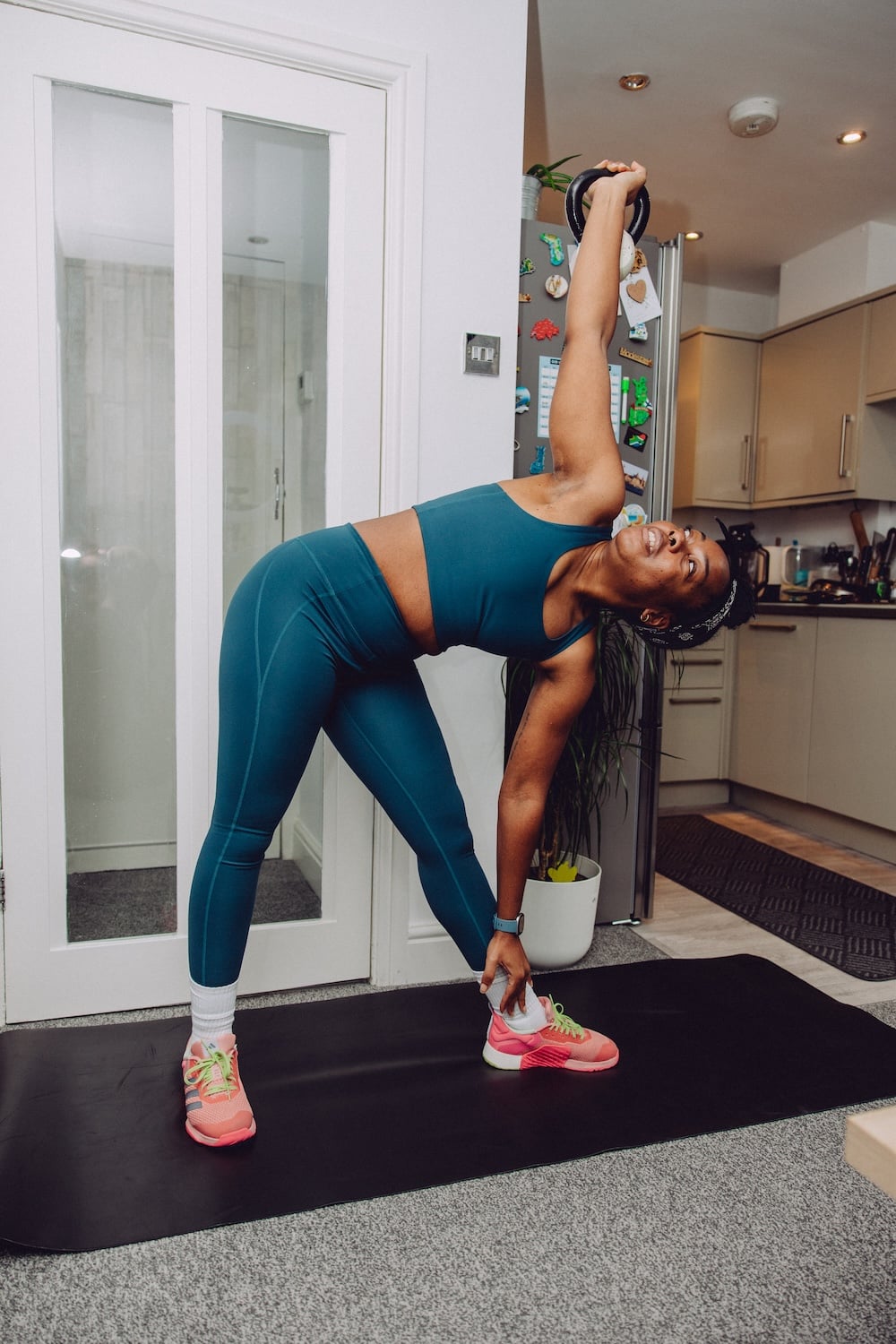
The short answer: in perimenopause and menopause, the number on the scales tells you very little about how your body is doing. Strength you can feel, energy that lasts through the afternoon and sleep that actually restores you are better signs of progress, and they’re the things that make midlife feel good. This post covers why, which wins to look for, and a simple way to track them.
When my clients are disheartened by the lack of movement on the scales, we look for those other wins. Most recently, I’ve had clients who have noticed improved mental strength, increased endurance and more energy, sometimes from doing “less”.
Because as a coach, I see it all the time: brilliant women doing all the right things and judging themselves on one number. So this post is about everything else. I’ve partnered with Bolt Pharmacy, a UK online pharmacy that offers online weight-management consultations, on this post, and I’ll explain more about how that works later on.
Why the scales don’t tell the whole story in midlife
Weight gain during perimenopause and menopause is common, and the NHS notes that it often settles around the stomach and upper body. But the scales can’t tell you what that weight is made of, how strong you are, how well you slept or how much energy you have to live your life.
Scale weight also moves around from day to day for reasons that have nothing to do with progress: water, what you ate yesterday, a hard training session, your cycle while you still have one. Judging a week of good habits on one morning’s number is a quick way to lose motivation.
What are non-scale victories?
Non-scale victories are the signs of progress you can’t see on the scales. Lifting something heavier than last month. Taking the stairs without stopping. Waking up feeling rested. Clothes fitting differently. Having the energy for a weekend ride or a swim. These are often the changes you notice first, and they’re the ones that last.
Strength wins: the best exercise for menopause
If I could ask every woman in midlife to do one thing, it would be strength training.
Why strength training matters in menopause
The NHS recommends that adults do strengthening activities that work all the major muscle groups (legs, hips, back, abdomen, chest, shoulders and arms) on at least two days a week. Its menopause guidance goes further, recommending regular exercise with a focus on weight-bearing exercise to build strength, because this can help protect against weakening bones. That matters, because the NHS also notes that women lose bone rapidly in the first few years after the menopause.
Strength work isn’t about bulking up. It’s about carrying the shopping, getting up off the floor, protecting your joints and feeling capable in your own body.
Strength wins to look for
- Lifting a heavier weight, or the same weight for more reps
- Getting up from the floor or a low chair without using your hands
- Carrying the shopping in one trip
- Better balance on one leg
- Fewer aches after a busy day
- Feeling steadier and more confident on the bike, on a run or in the pool
A simple 20-minute strength session to start with
If you’re not sure where to start, my advice is to keep it simple. My go-to beginner strength session would be something like this:
- Warm up for five minutes: marching on the spot, arm circles, gentle squats.
- Squats (to a chair if you like): 3 sets of 10.
- Wall or kitchen-counter press-ups: 3 sets of 8 to 10.
- Glute bridges: 3 sets of 12.
- Bent-over rows with two water bottles or dumbbells: 3 sets of 10.
- Finish with a two-minute stretch.
For more inspiration for what to do, here are 5 strength exercises for beginners (and 5 more), plus a 15 minute full body strength routine – with video – you can do at home.
Twice a week is enough to start. If you have a health condition, an injury or haven’t exercised for a while, check with your GP or a qualified professional first.
Support that fits around your training. If you’d like professional support with your weight alongside your training, Bolt Pharmacy offers online weight-management consultations with UK prescribers, with ongoing support from home.
Energy wins: menopause fatigue and tiredness
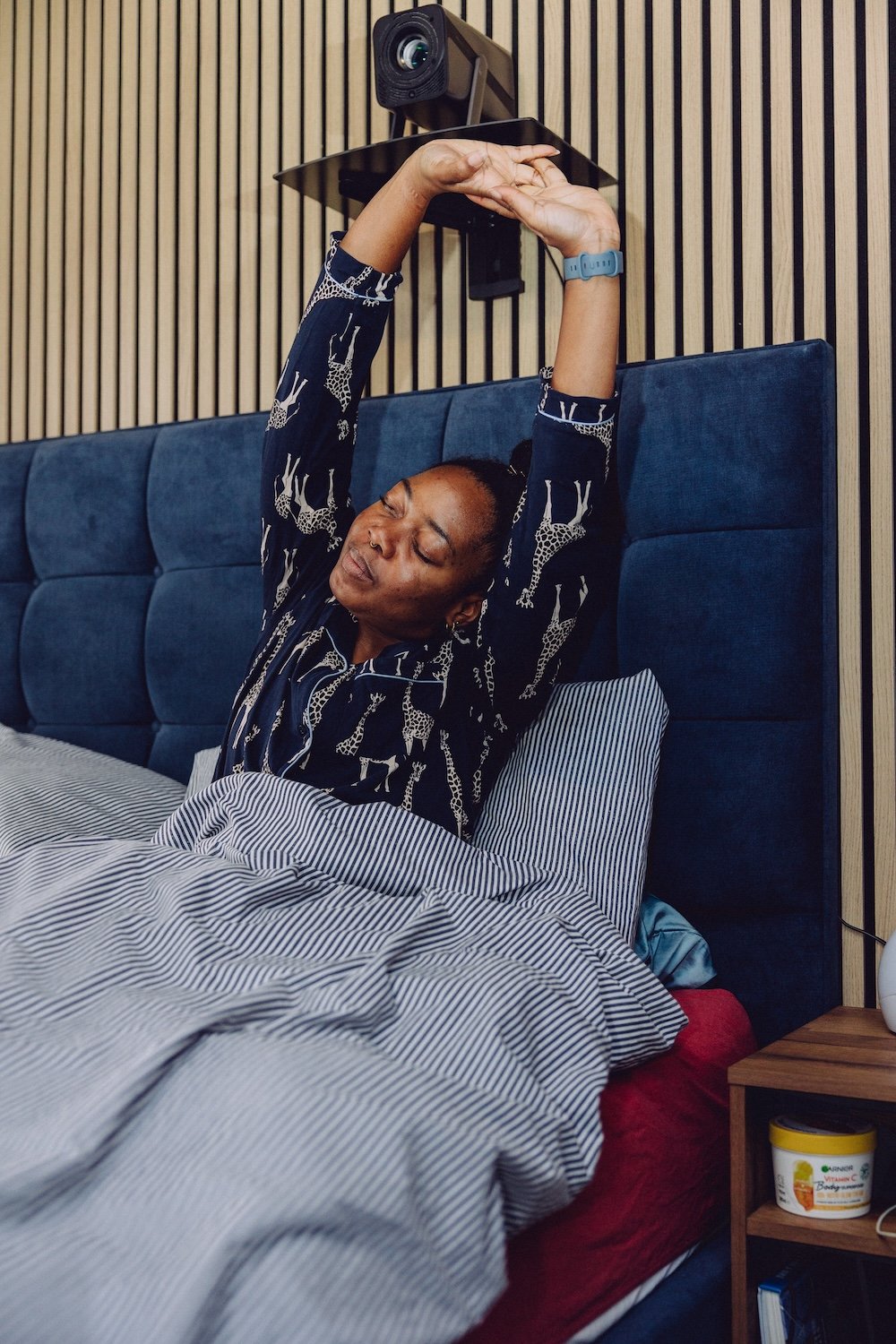
Why menopause can leave you exhausted
Feeling tired all the time is one of the things women tell me about most. The NHS describes how mood changes, brain fog and problems with memory or concentration can all feel worse when you have sleep problems and feel very tired, and night sweats can break up your sleep. Add work, family and everything else midlife brings, and it’s no wonder energy dips.
Tiredness isn’t always the menopause, though. The NHS lists conditions such as iron deficiency anaemia, an underactive or overactive thyroid and diabetes among the possible causes, so see your GP if you’re worried or it isn’t getting better.
Energy wins to look for
- Getting through the afternoon without a slump
- Wanting to move rather than having to drag yourself out
- Recovering faster after a training session
- A clearer head and better focus at work
- Fewer days when you feel too tired to do the things you enjoy
Small changes that help
- Move a little every day. A walk at lunchtime counts. The NHS recommends at least 150 minutes of moderate activity a week, spread through the week.
- Build balanced meals. Protein, fibre and plenty of vegetables at each meal help fuel your training.
- Go easy on alcohol and caffeine. The NHS menopause guidance mentions both as possible triggers for symptoms, and both can affect sleep.
- Get outside. A short walk in daylight is an easy way to start the day.
Don’t forget to build recovery, rest and connection into your daily habits and remembering to hydrate throughout the day.
If low energy is getting in the way of the activity you love, Bolt Pharmacy offers online weight-management consultations, where a UK prescriber looks at your health as a whole, alongside the care you get from your GP.
Sleep wins: menopause insomnia and sleep problems

Why sleep gets harder in menopause
Sleep problems are a common symptom of perimenopause and menopause, and the NHS notes they can be worse if you also have night sweats. Poor sleep then knocks on to energy, mood and motivation to move, so it’s worth treating sleep as part of your training, not an afterthought.
Sleep wins to look for
- Falling asleep more easily
- Waking up fewer times in the night
- Waking up feeling rested rather than wired or groggy
- Needing less caffeine to get going
- Feeling ready to train in the morning
What helps you sleep better during menopause
The NHS advice for insomnia is a good place to start:
- Go to bed only when you feel sleepy, and get up at the same time every day.
- Relax for at least an hour before bed, for example with a bath or a book.
- Keep your bedroom dark and quiet, using curtains, an eye mask or ear plugs if needed.
- Exercise regularly during the day.
- Make sure your mattress, pillows and covers are comfortable.
- Cut back on alcohol, caffeine and nicotine.
The NHS menopause guidance also suggests relaxing activities such as yoga, tai chi or meditation, and keeping to a regular sleep routine. If sleep problems carry on, talk to your GP about your menopause symptoms and the support available.
Personally, I also like to limit the use of devices before bedtime, love to drink some camomile tea and fall asleep listening to a sleep story or sleep sounds.
How to track the wins that matter
Instead of weighing yourself every morning, try a simple weekly check-in. It takes two minutes and shows you the progress the scales miss.
| Each week, note | Example |
|---|---|
| Strength | Squats: 3 x 10 with 6kg (up from 4kg) |
| Energy, out of 10 | 7, no afternoon slump on 4 days |
| Sleep, out of 10 | 6, woke twice most nights |
| Movement | 3 walks, 2 strength sessions, 1 swim |
| Waist | Same as last week |
| One win | Carried all the shopping in one trip |
Why your waist matters more than the scales
NICE recommends keeping the size of your waist to less than half your height, as a simple check on the kind of weight around the middle that matters most for your health. Measure halfway between the bottom of your ribs and the top of your hips, once a month, at the same time of day.
If you want help working out your next steps, Bolt Pharmacy offers online weight-management consultations with ongoing support from its clinical and care teams.
When you want more support: online weight-management consultations
Strength, energy and sleep come first. But some women also want professional support with their weight, and that’s nothing to feel bad about. Bolt Pharmacy is a UK online pharmacy offering clinician-led weight-management consultations. You complete a short online consultation, and a UK prescriber decides what, if anything, is suitable for you.
What happens in an online weight-management consultation
With Bolt Pharmacy, the process works like this:
- You complete an online health assessment about your medical history, any medicines you take and your health goals, and provide photo ID.
- A UK prescriber reviews your answers and holds a two-way consultation with you. It isn’t a questionnaire-only process, and they may ask follow-up questions.
- The prescriber decides whether treatment is suitable for you. If it isn’t, you’re told, and no payment is taken.
- If you go ahead, you get ongoing support through check-ins in your account, and your GP is kept informed.
How to check an online pharmacy is legitimate
If you’re looking at any online service, it’s worth checking who’s behind it. A UK pharmacy should be registered with the General Pharmaceutical Council (GPhC), and you can look it up on the GPhC’s online register. For Bolt Pharmacy:
- Bolt Pharmacy is the trading name of Bolt Healthcare Ltd, a pharmacy registered with the GPhC (registration 9013085).
- Consultations and prescribing are provided by AIOS Technology Ltd, which is registered with the Care Quality Commission (CQC).
When I work with my clients on my menopause programme, I always want to create a safe space for them and that includes supporting any lifestyle choices they make outside of our time together. If a client chooses to use an online pharmacy, I want to at least know they’ve chosen a legitimate one.
Elle
Frequently asked questions
Signs of progress you can’t see on the scales: getting stronger, having more energy, sleeping better, moving more easily and feeling more confident in your body.
The one you’ll keep doing. The NHS recommends strengthening activities for all the major muscle groups on at least two days a week, plus at least 150 minutes of moderate activity, and its menopause guidance highlights weight-bearing exercise to build strength and help protect your bones.
Yes. Strength training helps you stay strong and capable as you get older, and weight-bearing exercise can help protect against weakening bones, which the NHS notes is a particular concern in the years after the menopause.
Sleep problems and night sweats are common in perimenopause and menopause, and the NHS notes that mood changes and brain fog can feel worse when you’re very tired. Tiredness has other causes too, so see your GP if you’re worried or it doesn’t improve.
Keep a regular routine, wind down for an hour before bed, keep your bedroom dark and quiet, exercise during the day and cut back on alcohol and caffeine. If sleep problems carry on, talk to your GP.
That’s up to you. If the scales help you, use them occasionally and alongside other measures. If they knock your confidence, a weekly check-in on strength, energy, sleep and your waist will tell you far more.
Start with your GP, especially if menopause symptoms are affecting your daily life. Online weight-management services, such as Bolt Pharmacy, offer a consultation with a UK prescriber, who decides what is suitable for you.
This post is for general information and isn’t medical advice. Speak to your GP or another qualified healthcare professional about your health.