Most women either ignore the kettlebells in the gym or assume they’re only for advanced exercisers.
As a certified personal trainer, I actually think kettlebells are one of the most versatile pieces of equipment you can own. They’re affordable, don’t take up much space, and can be used for everything from strength training and cardio to mobility and core work.
Whether you’re completely new to kettlebell training or looking for a few effective kettlebell exercises to add to your routine, these are my go-to moves for building full body strength, improving cardiovascular fitness and developing functional strength that carries over into everyday life.
Why Kettlebell Training Is Great For Women
Before we jump into the exercises, let’s talk about why kettlebell workouts deserve a place in your routine.
Kettlebell training offers a unique combination of strength training and cardio. Unlike many traditional gym machines, kettlebell exercises often involve full-body movements that challenge multiple major muscle groups at the same time.
Some of the benefits of kettlebell training include:
- Improved core strength
- Increased muscle mass
- Better grip strength
- Enhanced cardiovascular fitness
- Higher calorie burn
- Improved posture
- Stronger lower body and upper body muscles
- Better balance and coordination
- Increased functional strength for everyday activities
For women in their 40s and beyond, strength training becomes increasingly important. Building and maintaining muscle mass can help support bone health, improve metabolism, enhance confidence and make everyday tasks feel easier.
The best part? You only need one piece of equipment to get started.
Choosing The Right Kettlebell Weight
One of the most common questions I get asked is: “What weight kettlebell should I start with?”
The answer depends on your fitness level, previous strength training experience and the exercise you’re performing.
As a general guide:
- Complete beginners: 4kg – 6kg
- Active beginners: 8kg-10kg
- Intermediate exercisers: 12kg-16kg+
- Experienced lifters: 16kg+
Remember, the right weight allows you to maintain proper form throughout the entire movement. It’s always better to start with lighter kettlebells and gradually progress than to jump straight to heavier weights and risk injury.
1. Kettlebell Deadlift
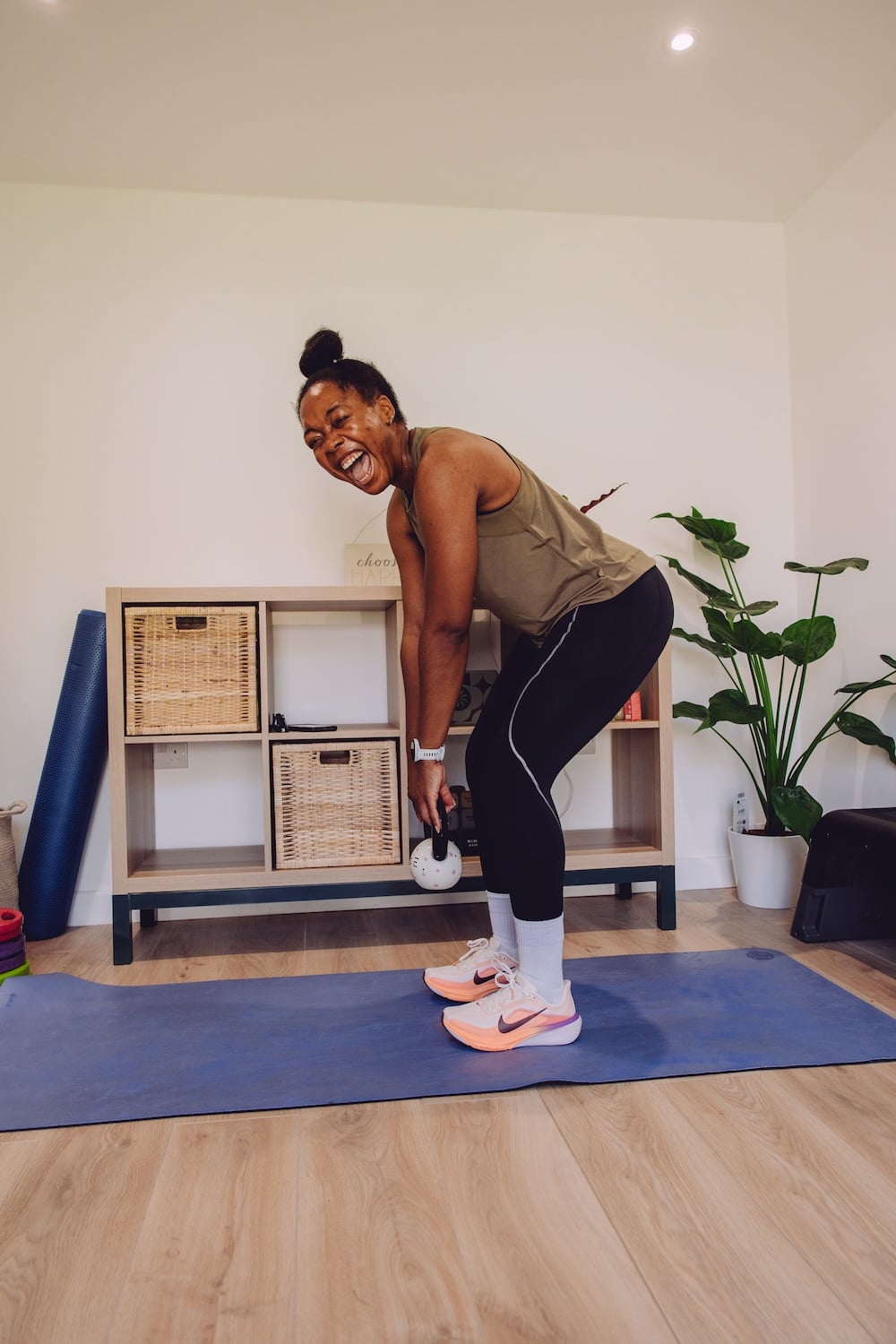
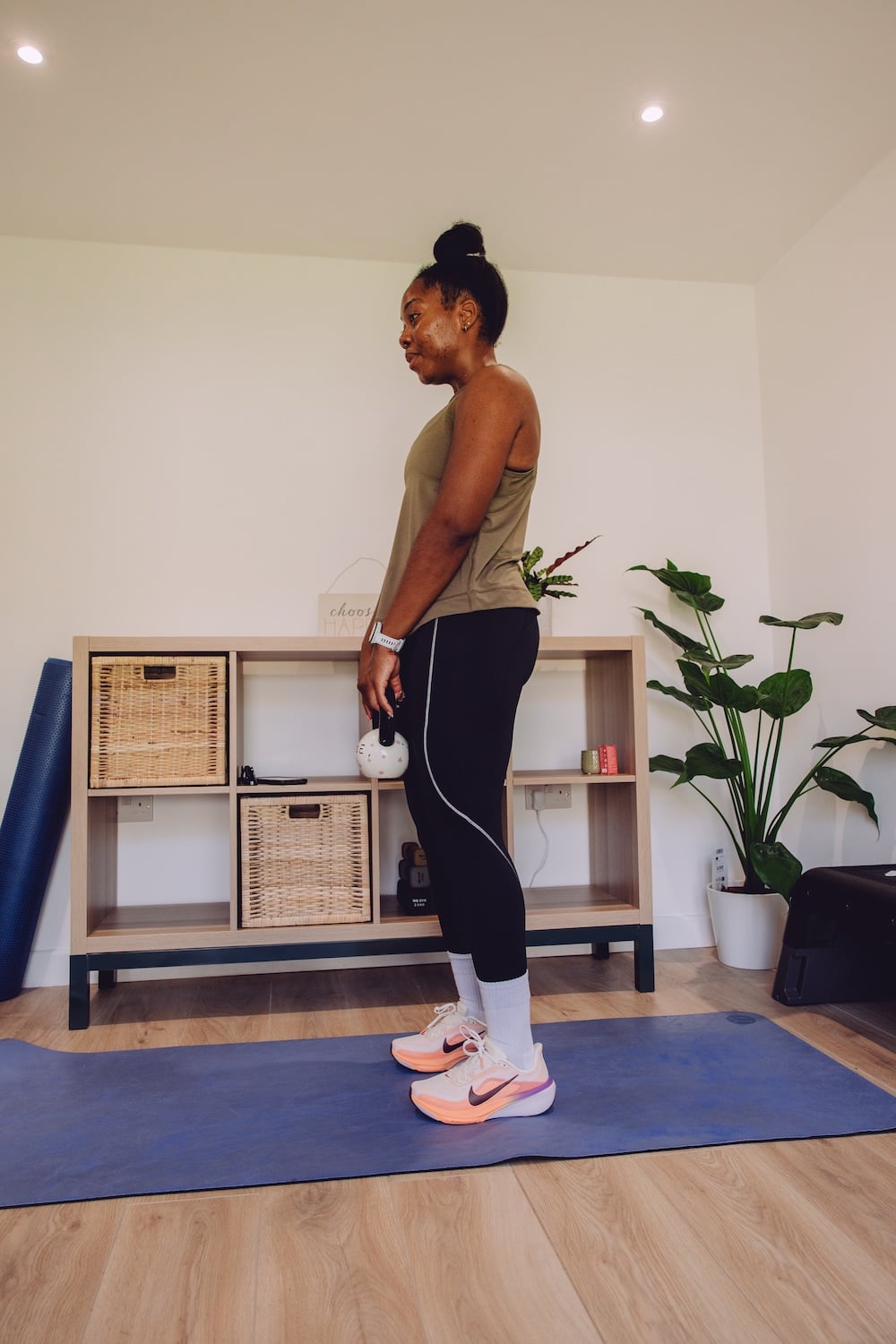
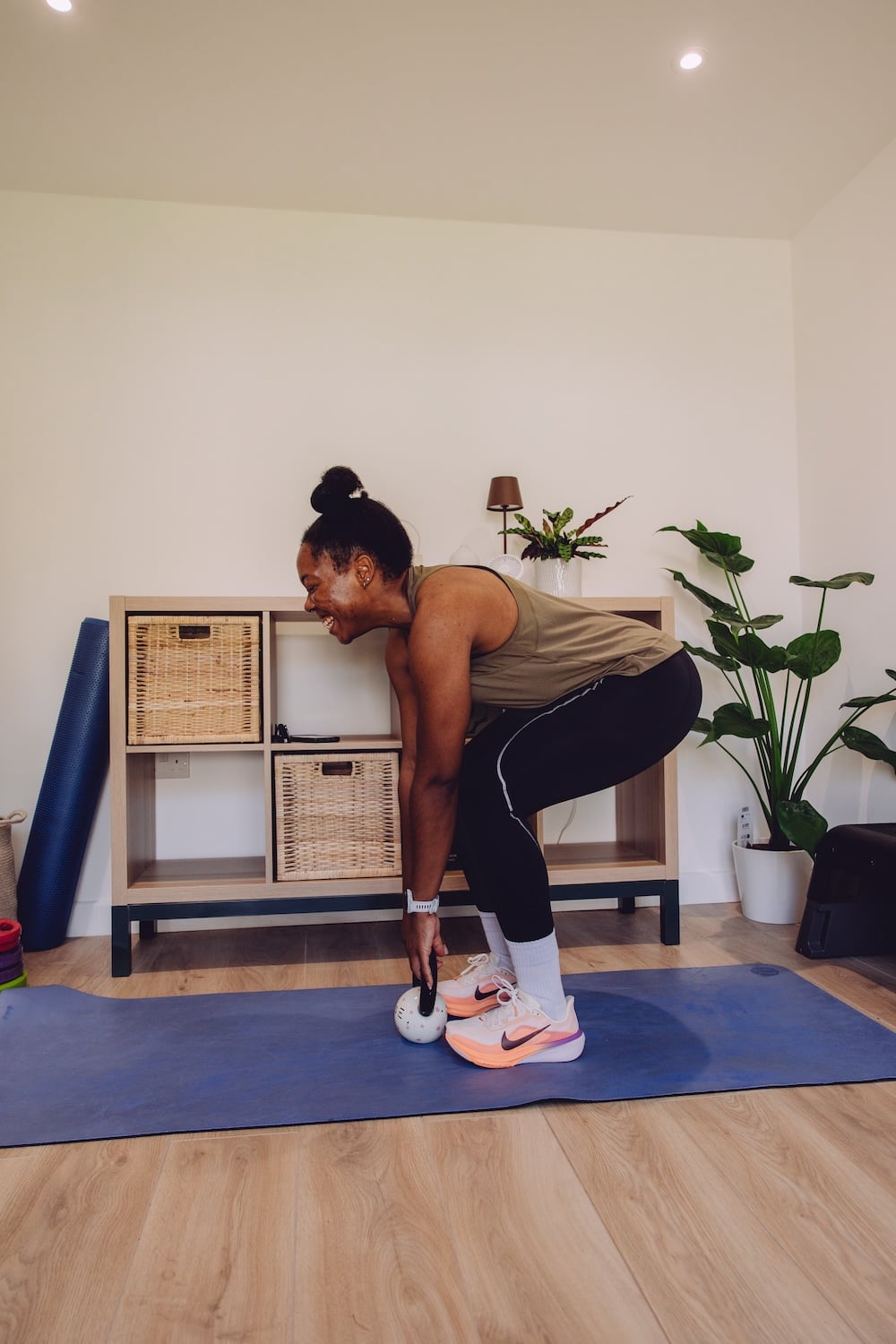
The kettlebell deadlift is one of the best kettlebell exercises for learning the hip hinge movement pattern. Mastering this exercise will help you perform kettlebell swings more effectively and strengthen your entire posterior chain.
How To Do A Kettlebell Deadlift
Start by standing with your feet hip-width apart and place the kettlebell on the floor between your feet. Push your hips backwards and hinge forward while keeping your chest lifted and your back flat.
Grip the kettlebell handle with both hands and drive through your feet to stand tall. At the top of the movement, squeeze your glutes and push your hips forwards before slowly lowering the kettlebell back to the floor and repeating.
Muscles Worked
The kettlebell deadlift primarily targets the glutes and hamstrings, making it one of the best exercises for strengthening the posterior chain. It also works the lower back, core muscles and upper back, helping to improve posture and functional strength.
Common Mistakes
One of the most common mistakes is rounding the lower back during the lift, which can place unnecessary strain on the spine. Another is turning the movement into a squat by bending the knees too much rather than hinging at the hips.
It’s also important to keep the kettlebell close to your body throughout the movement rather than letting it drift forwards.
2. Kettlebell Swing
If there’s one exercise everyone should learn, it’s the kettlebell swing.
This powerful full-body workout develops strength, power and cardiovascular fitness while elevating your heart rate. Despite what many people think, the kettlebell swing is not an arm exercise. The power comes from your hips.
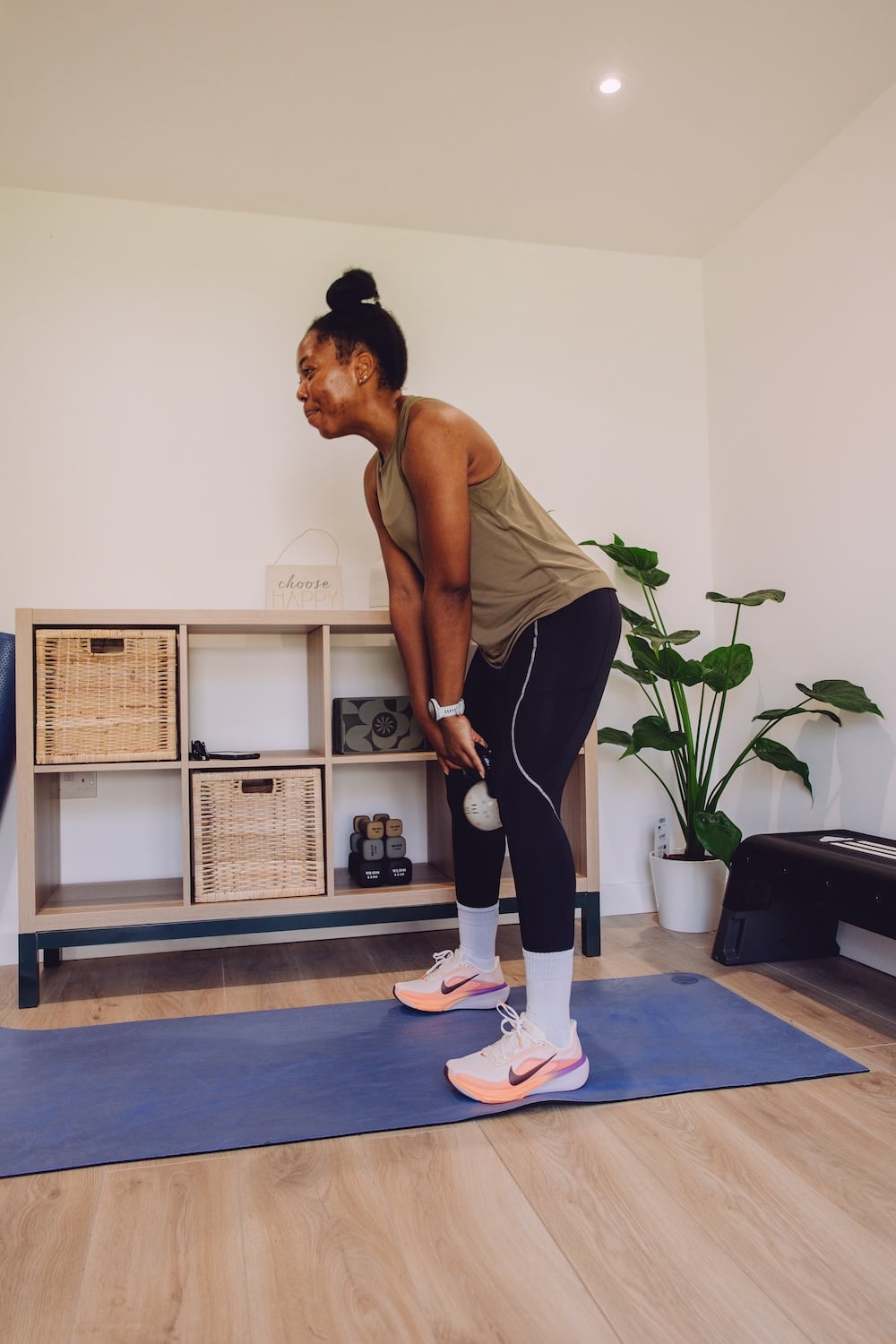
How To Do A Kettlebell Swing
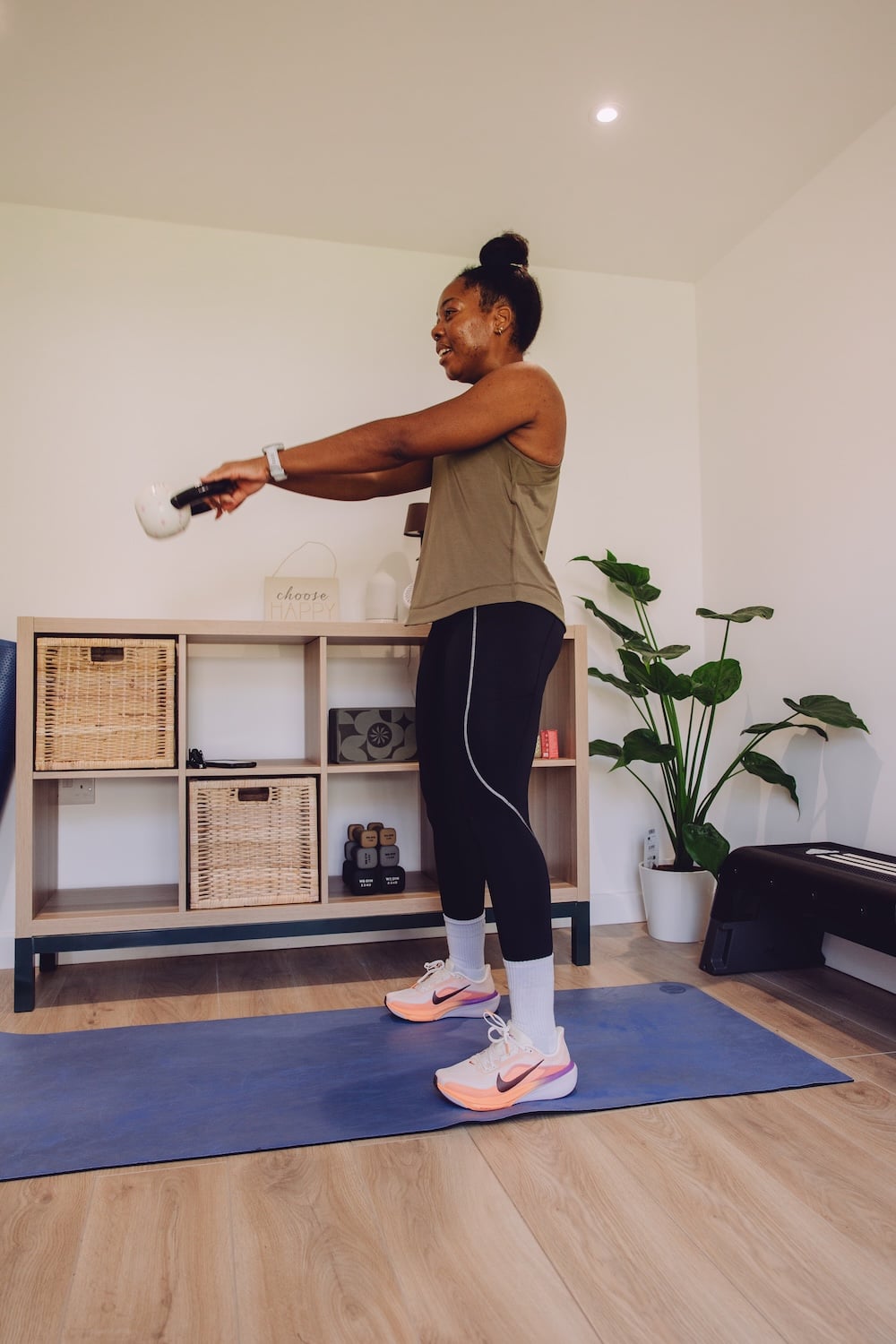
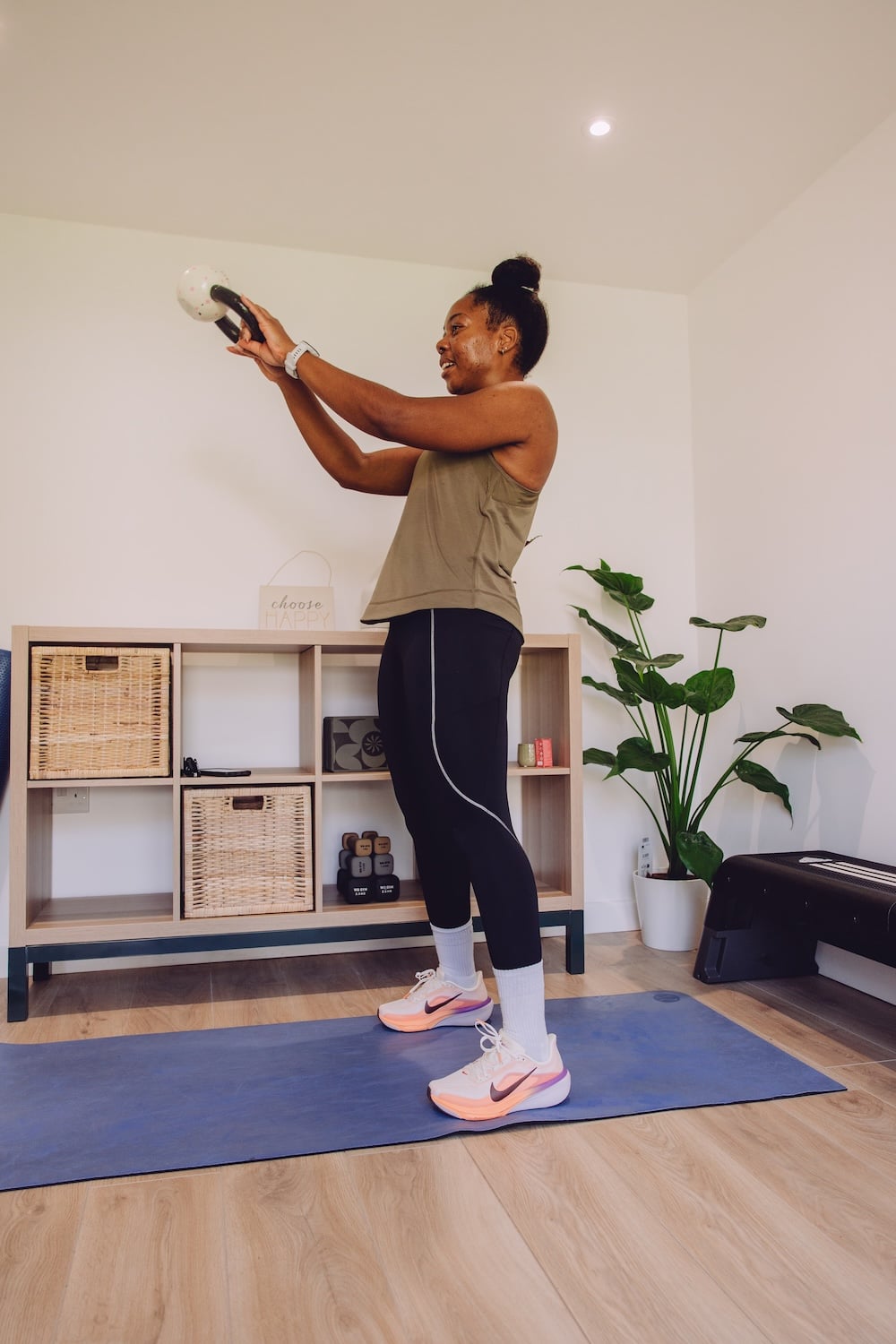
Stand with your feet slightly wider than hip-width apart and hold the kettlebell with both hands. Begin by hinging at the hips and swinging the kettlebell backwards between your legs.
Drive your hips forwards powerfully and allow the kettlebell to float up to roughly chest height. As the kettlebell starts to descend, hinge at the hips again and guide it back between your legs before smoothly beginning the next repetition.
Muscles Worked
The kettlebell swing is a full-body movement that primarily targets the glutes, hamstrings and lower back. Your core works throughout the exercise to stabilise your body, while your shoulders and grip strength are challenged as you control the kettlebell.
Common Mistakes
Many people try to lift the kettlebell with their arms rather than generating power from their hips. Another common mistake is squatting instead of hinging, which changes the movement completely and reduces its effectiveness.
If the kettlebell is travelling above shoulder height or your shoulders are doing most of the work, it’s usually a sign that your technique needs refining.
3. Kettlebell Goblet Squat
The kettlebell goblet squat is one of my favourite lower body exercises because it builds strength in the legs and glutes while also challenging your core.
Holding the kettlebell at the front of your chest encourages good posture and helps many people squat more comfortably than they can with a barbell.
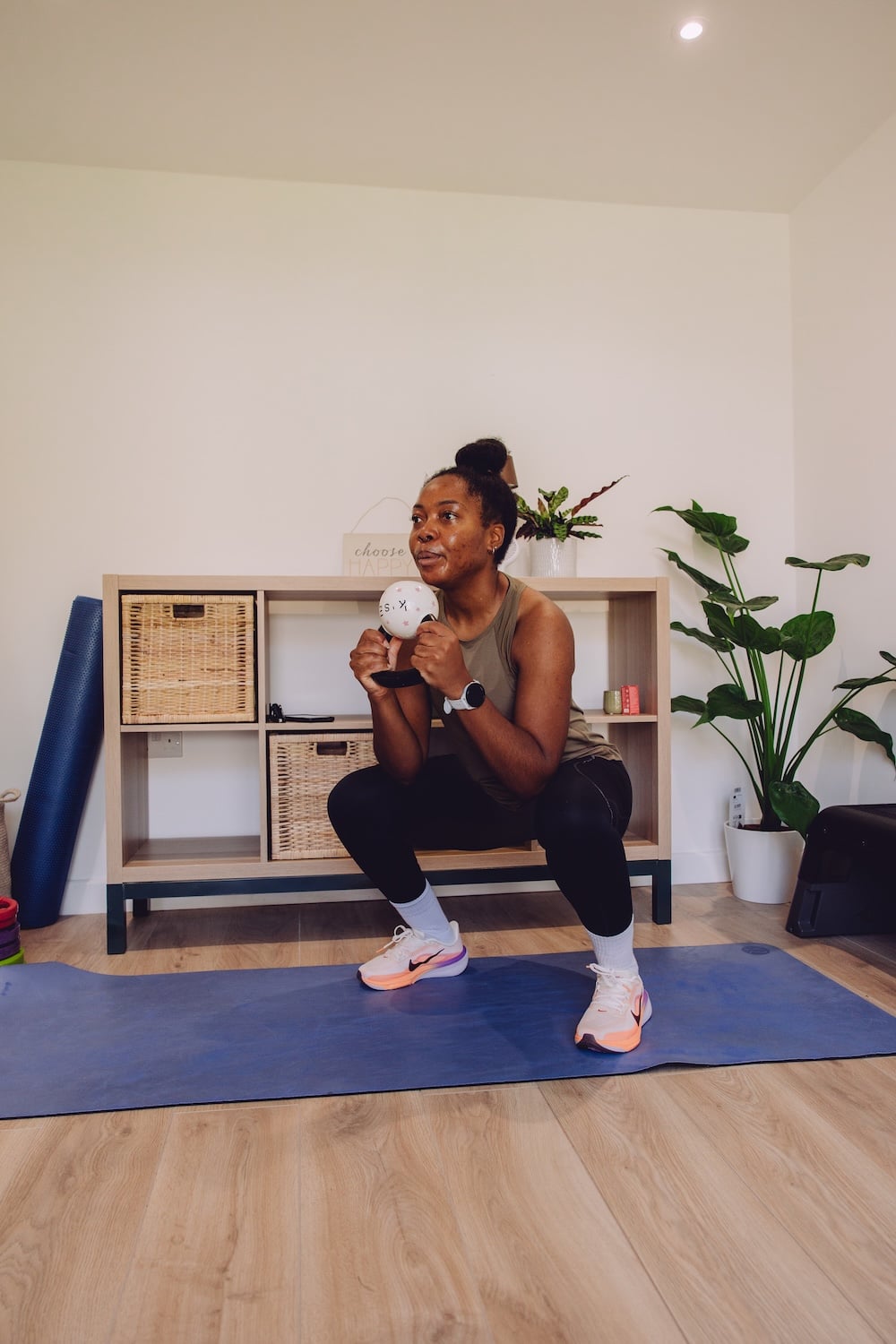
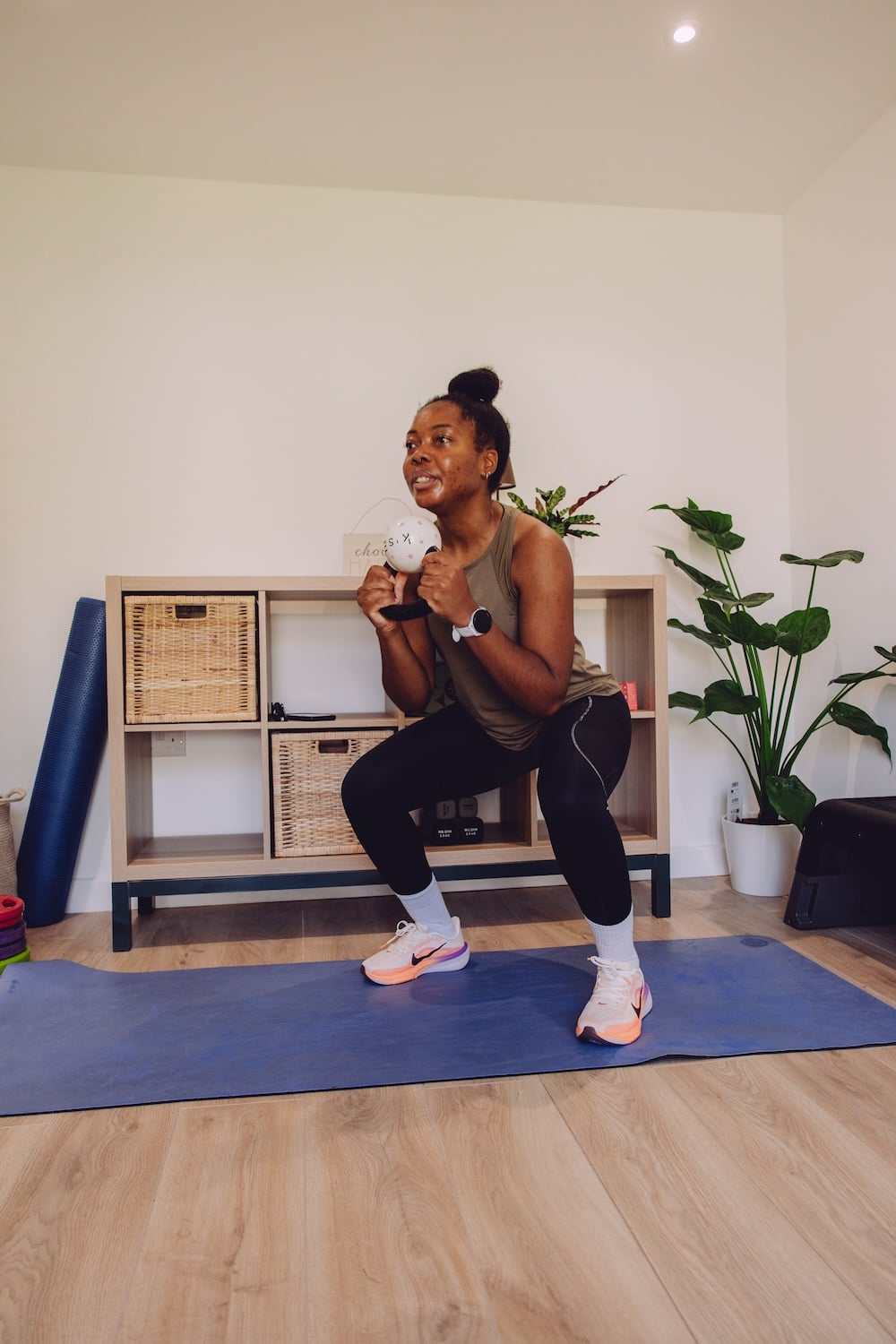
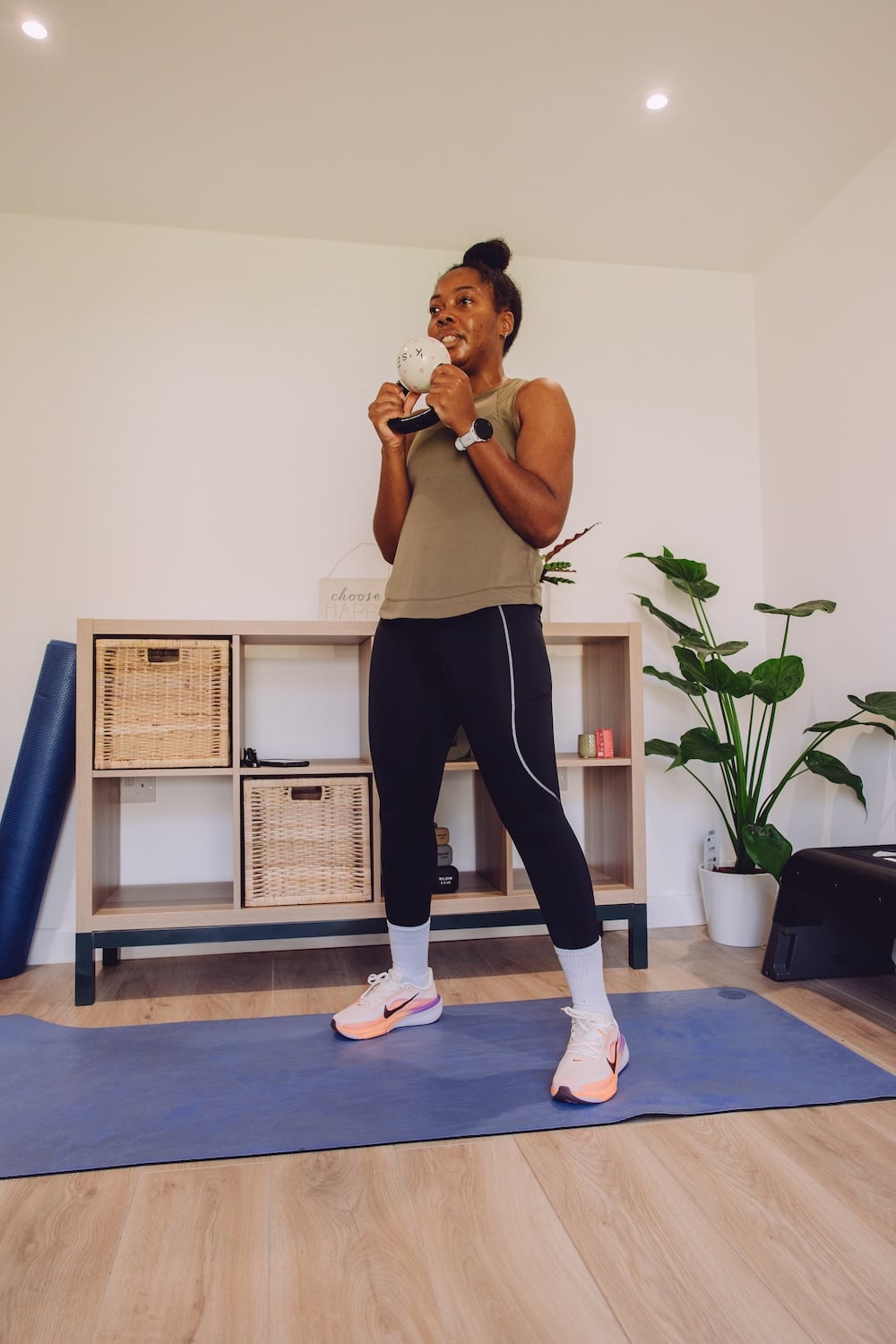
How To Do A Kettlebell Goblet Squat
Hold the kettlebell close to the front of your chest by the handles and stand with your feet shoulder-width apart. Keeping your chest lifted and core engaged, bend your knees and sit your hips back as though lowering into a chair. Lower as far as feels comfortable while maintaining good posture, then push through your feet to return to a standing position.
Muscles Worked
The kettlebell goblet squat is an excellent lower body exercise that strengthens the glutes, quadriceps and hamstrings. Because the weight is held in front of the body, it also places a greater demand on the core muscles, helping to improve stability and posture.
Common Mistakes
A common error is allowing the knees to collapse inwards during the squat. Some people also lift their heels off the floor or round their upper back as they lower down. Keeping your chest proud and weight evenly distributed through your feet will help you maintain proper form.
4. Turkish Get-Up
The Turkish get-up is one of the most effective kettlebell exercises for developing total body strength, stability and coordination.
It may look complicated at first, but once you break it down into stages, it’s a fantastic exercise for improving mobility, balance and core strength.
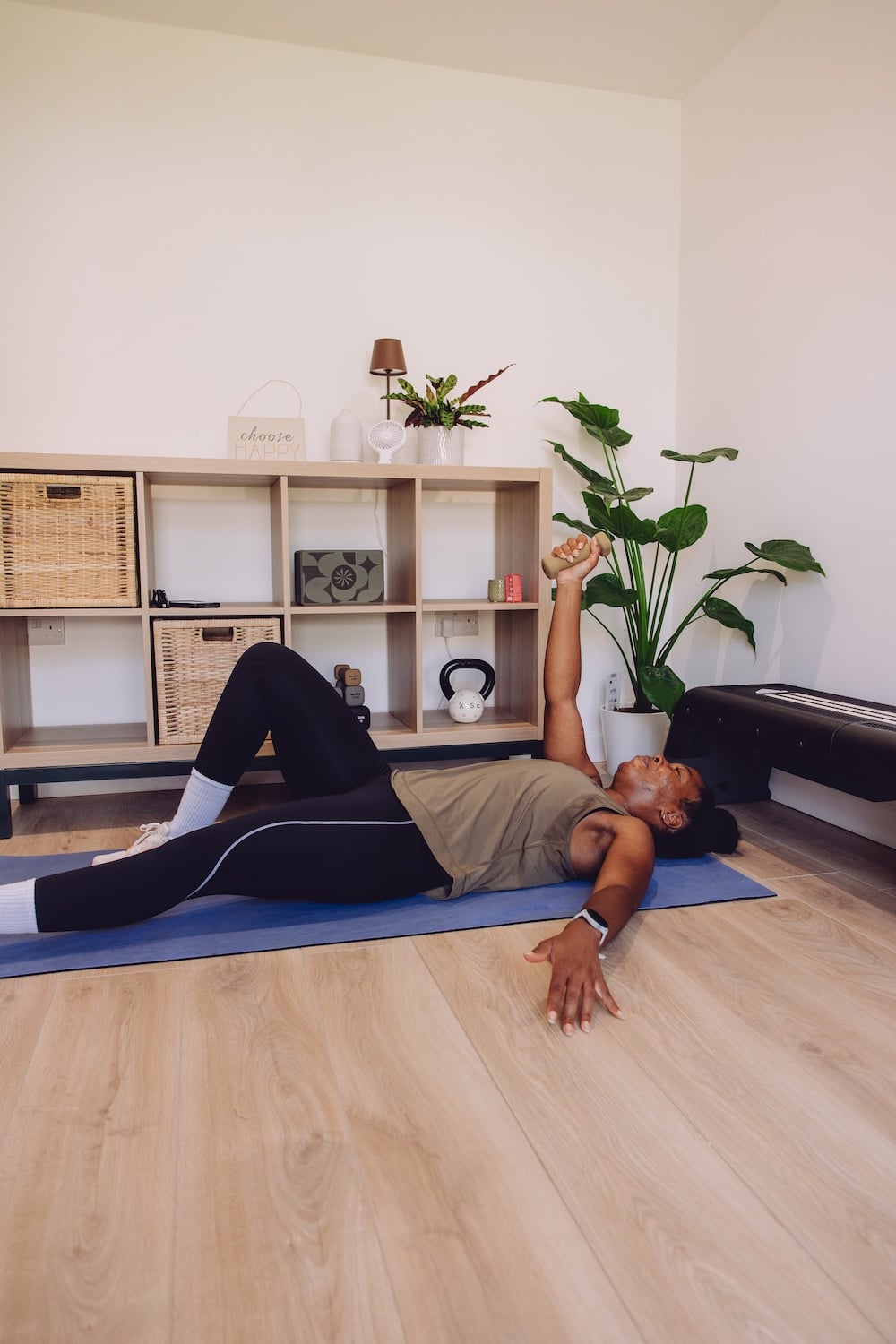
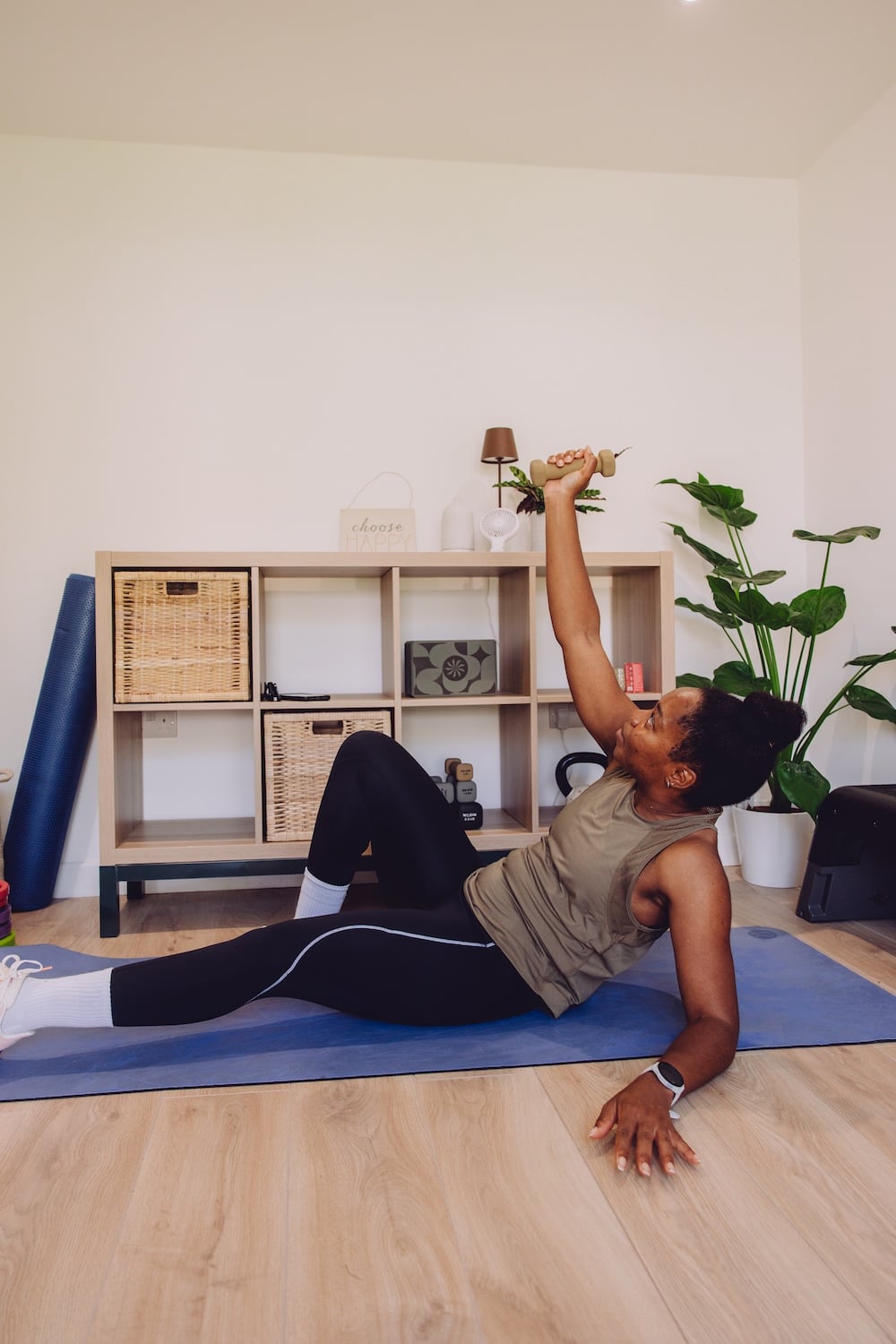
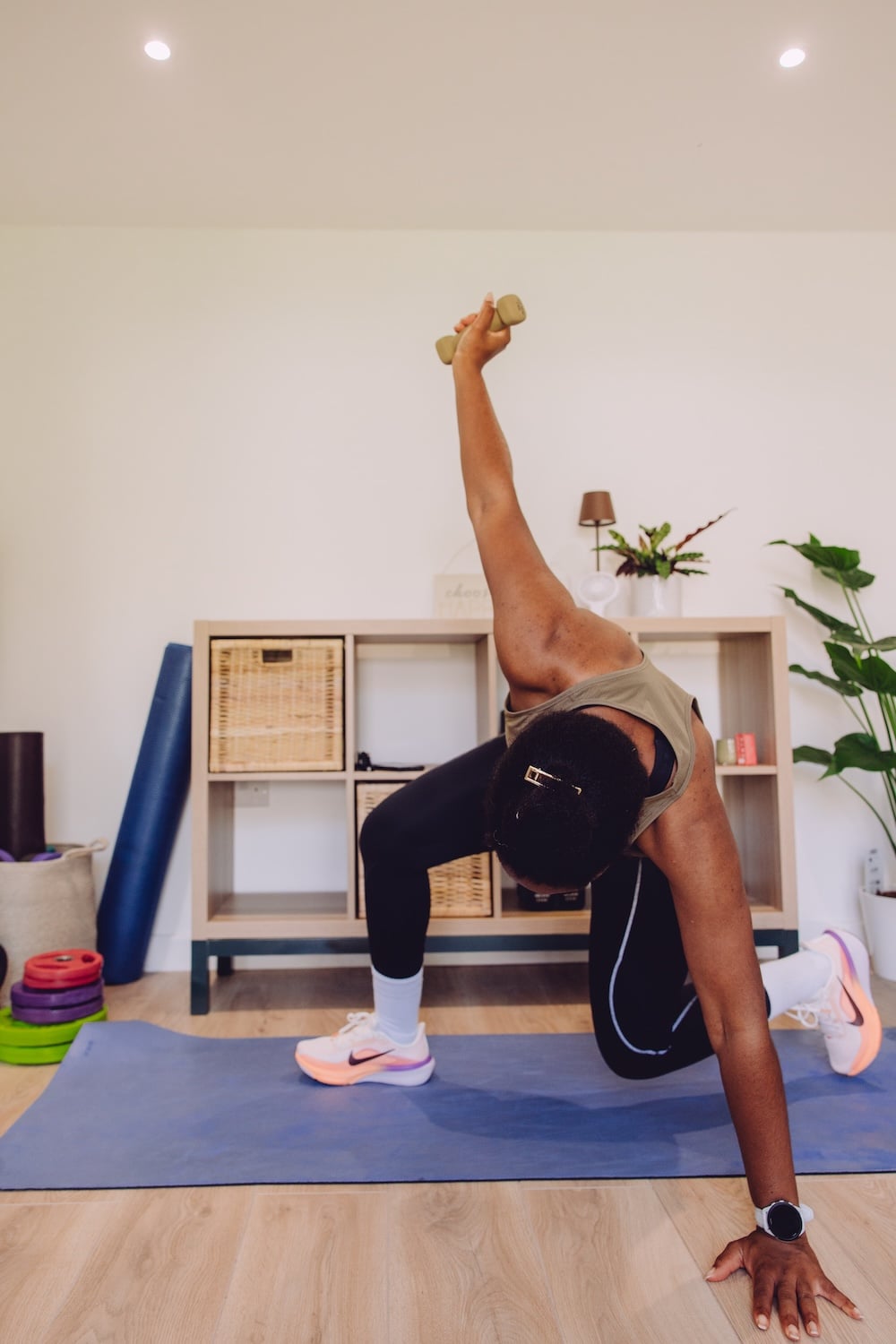
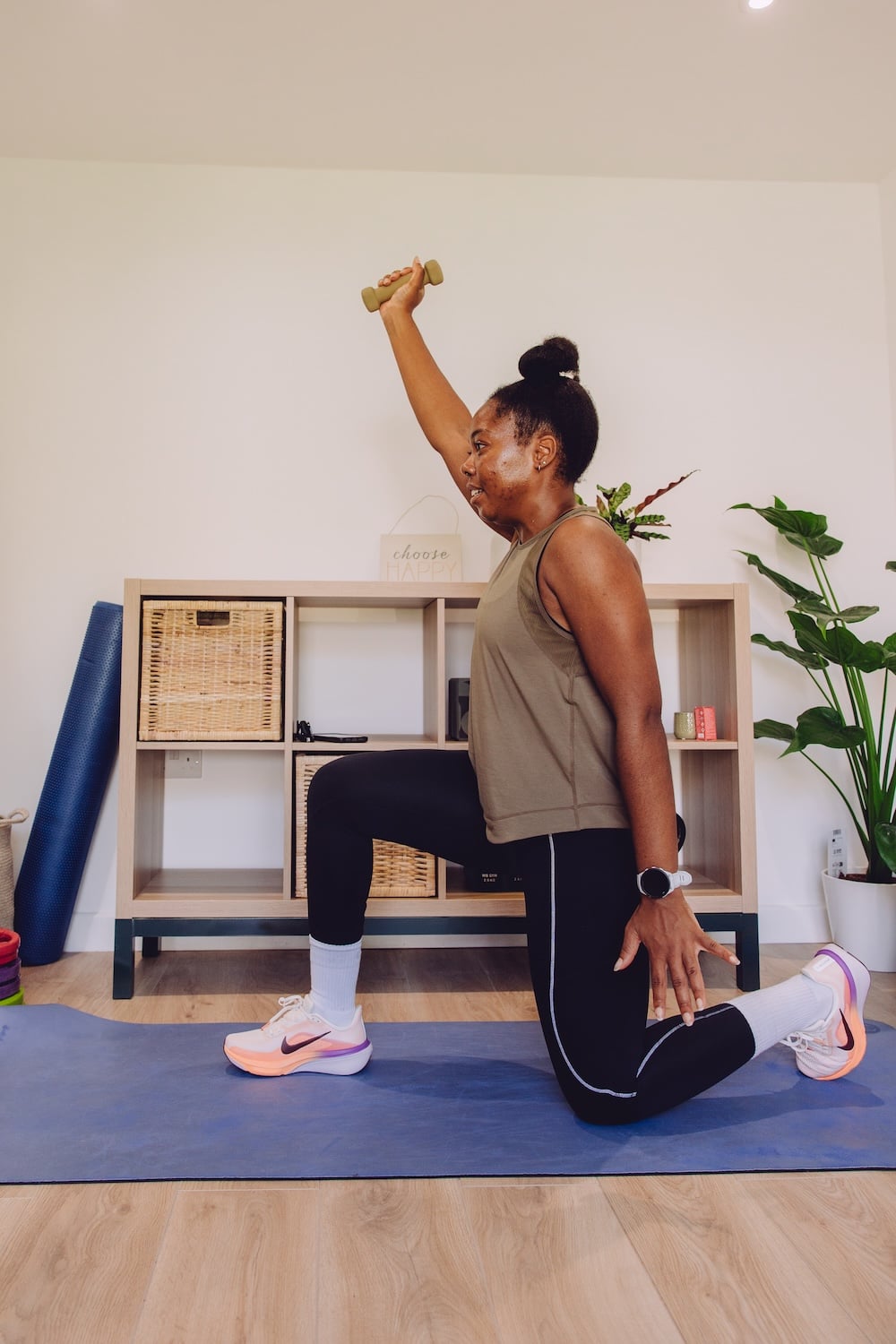
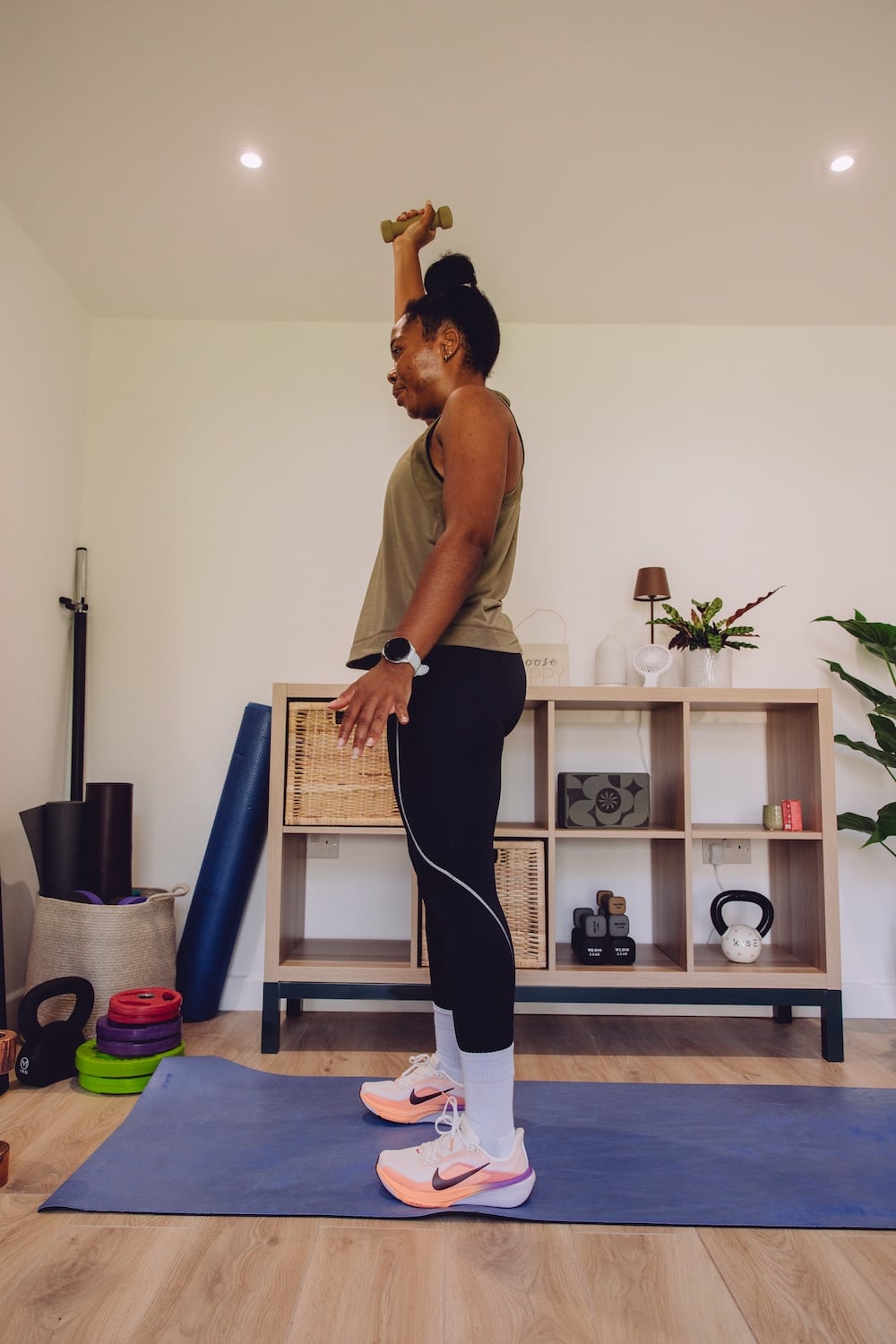
How To Do A Turkish Get-Up
Lie on your back holding the kettlebell in your right hand with your arm extended towards the ceiling. Bend your right knee and place your right foot flat on the floor. Keeping your eyes on the kettlebell, roll onto your left elbow and then onto your left hand.
Lift your hips, sweep your left leg underneath your body and come into a kneeling position. From there, stand up fully before carefully reversing each step to return to the floor. Complete all repetitions on one side before switching sides.
Muscles Worked
The Turkish get-up challenges almost every major muscle group in the body. Your shoulders work to stabilise the kettlebell overhead, your core muscles help control the movement, and your glutes and legs generate the strength needed to move from the floor to standing.
Common Mistakes
The biggest mistake is rushing through the movement. The Turkish get-up should be performed slowly and with control. Many people also allow the kettlebell arm to drift away from vertical, which can place unnecessary stress on the shoulder.
If you’re learning the exercise for the first time, it’s a good idea to practise the movement without any weight before progressing to a kettlebell.
Beginner Kettlebell Workout For Women
Ready to put these exercises together into a simple workout?
Try the following beginner kettlebell workout:
Circuit One
- 10 Kettlebell Deadlifts
- 10 Kettlebell Goblet Squats
Rest for 60 seconds.
Repeat 3 rounds.
Circuit Two
- 15 Kettlebell Swings
- 1 Turkish Get-Up per side
Rest for 60 seconds.
Repeat 3 rounds.
This effective workout should take around 20 to 25 minutes and works the entire body.
Looking For More Structured Strength Training?
If you’re new to strength training and would like more guidance, keep an eye out for the relaunch of my Beyond Strength: Foundations programme.
This seven-part beginner-friendly series is designed to help you build confidence with fundamental movement patterns, improve your technique and develop full body strength in a supportive and approachable way. It’s ideal if you’ve ever felt intimidated by weights, unsure where to start or simply want expert coaching from the comfort of home.
You can also check out my current online fitness classes and training timetable on the Book Online Classes page.
You don’t need dozens of exercises or an expensive gym membership to get stronger.
A single kettlebell can deliver an effective full-body workout that improves strength, cardiovascular fitness, balance and confidence.
Start with a weight that feels manageable, focus on proper form and master the basics before progressing to heavier kettlebell weights.
Sometimes the simplest pieces of equipment deliver the biggest results.
Do you have a favourite kettlebell movement for building strength?!
Elle