For most of 2025 and the first part of 2026, I was the Community Manager for LA REINE.
If you’ve followed me for a while, you’ll probably remember me sharing content from their events, talking about their retreats or posting about women’s cycling in general. For a long time, I genuinely believed in what they were trying to build.
That’s what makes writing this so difficult.
Because this isn’t a story about a brand I never cared about.
It’s a story about a brand I cared about enough to give far more of myself to than I probably should have.
How It Started
I first came across LA REINE in 2024 when I attended the Gstaad event as a guest of the Swiss tourism board.
I enjoyed the event. The roads were beautiful, the atmosphere was welcoming and it was refreshing to see an event aimed specifically at women.
Like many of you know, I’m not very good at keeping my opinions to myself, so afterwards I shared some feedback with the organisers.
One of the things I mentioned was that the event was tougher than many riders were expecting. There was a significant amount of climbing and I thought riders would benefit from having some guidance on how to prepare.
A few months later, I received a message asking whether I’d be interested in helping create a training plan for future participants.
I said yes.
That training plan still exists on the website today.
At the time, it felt like a great fit.
I love cycling.
I love helping women build confidence.
And I genuinely thought I could contribute something useful.
The Role That Kept Growing
What started as a small project gradually became something much bigger.
At first, I was helping with social media. Then I was helping with community management.
Then newsletters, customer emails, event support, ambassador recruitment, retreat planning, sponsorship delivery, event hosting.
Somewhere along the way, I became what the company publicly referred to as their Community Manager.
What I’ve realised since is that community management is one of those jobs that sounds simple until you actually do it.
People see the Instagram posts.
They don’t see the inbox.
They don’t see the questions.
They don’t see the planning.
They don’t see the hours spent trying to create an experience where people feel welcome before they’ve even arrived.
Over the course of a year, I helped build and manage the ambassador programme, wrote newsletters, handled social media, answered rider questions, supported event planning, attended events in Freiburg and Gstaad, managed community communications and worked on the Mojácar retreat.
None of this felt particularly unusual at the time because I fully believed in the mission.
Like many freelancers working in purpose-driven industries, I convinced myself that caring deeply about the work made the extra effort worthwhile.
The Invisible Labour Nobody Talks About
One thing I’ve learned though, is that community work is often treated as though it simply happens.
As though communities magically appear because somebody posts often enough on Instagram.
The reality is very different.
Community management is a lot of emotional labour.
It’s remembering names.
It’s answering questions.
It’s calming nerves.
It’s introducing people.
It’s solving problems before they become problems.
It’s being available when nobody else is.
And when it’s done well, most people don’t even notice it’s happening.
Because the outcome isn’t a thing.
It’s a feeling.
People feel welcomed.
People feel included.
People feel supported.
That doesn’t happen by accident.
Then My Mum Became Ill
At the end of March 2026, my world changed when y mum became seriously ill.
Within a very short period of time, we learned that she was dying.
The timing couldn’t have been worse.
My wedding was approaching.
The Mojácar retreat was approaching.
Work commitments were already in place.
Like many self-employed people, taking time off wasn’t as simple as informing HR.
If I didn’t work, I didn’t get paid.
I seriously considered pulling out of the retreat but my mum wouldn’t hear of it. She was adamant that I should go.
She knew I had already committed to the work and she knew the income mattered.
So with her blessing, I went.
Mojácar
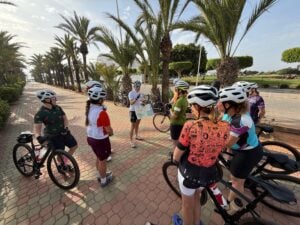
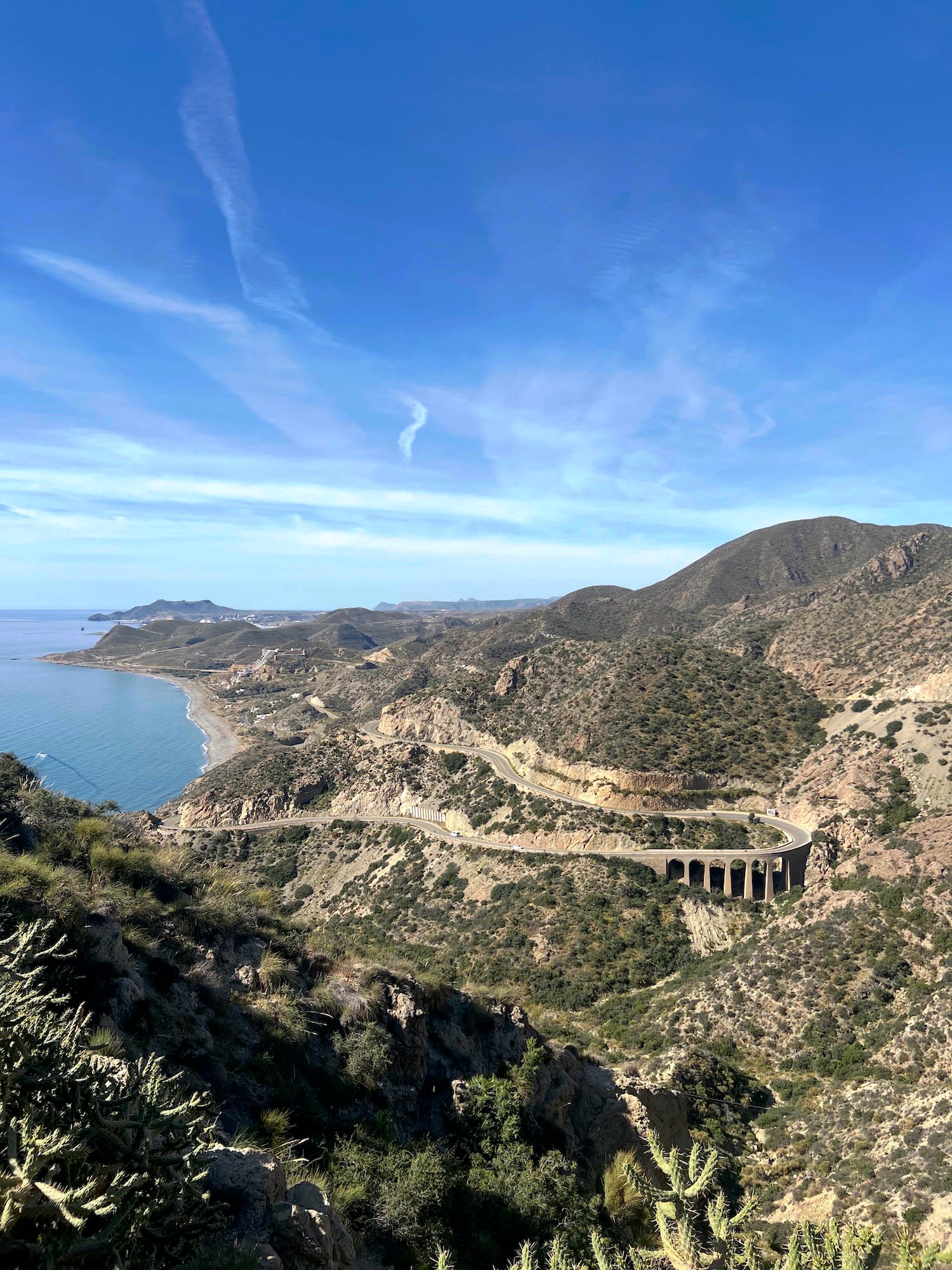
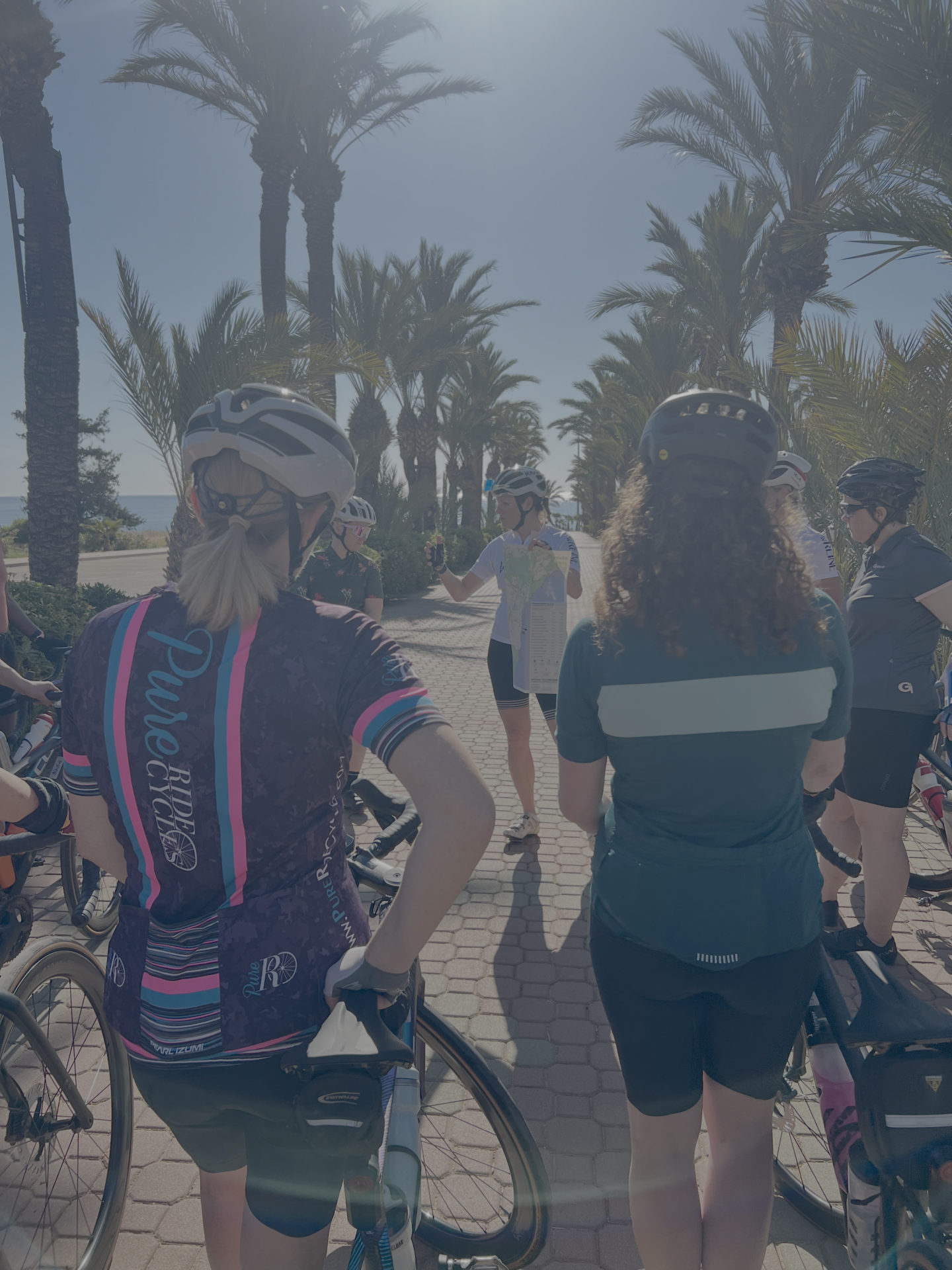
What most people saw that week were photos of sunshine, bikes and smiling faces.
What they didn’t see was everything happening behind the scenes.
I was up by 7am every day, delivering workshops, supporting riders, helping coordinate logistics.
Managing community dynamics, supporting the ride experience.
basically working non-stop from breakfast until late in the evening with many days which didn’t really finish until around 10pm.
And despite everything happening in my personal life, I was proud of what we delivered.
The riders certainly seemed to enjoy themselves.
Many achieved things they never thought possible.
Many left with new friendships and new confidence.
For me, that’s what mattered.
The Part I Still Struggle To Understand
After the retreat, I received feedback from the organiser that my leadership, presence and contribution had not met expectations.
Feedback is part of life. Nobody gets everything right. Nobody should be above criticism. However, I knew that I have everything I had and direct feedback from the riders was positive.
But what happened next shocked me.
The company refused to pay my retreat hosting fee.
Not my expenses. Those were paid in the end.
The actual fee for the work itself.
Since then, they’ve shifted the reasoning saying its about work (allegedly) not delivered in March and April, yet they paid those invoices and never once raised an issue in all the time that had passed.
At the time of writing, that invoice remains unpaid and I am pursuing recovery through formal channels.
What makes this particularly difficult isn’t simply the money.
It’s the contradiction.
This was a company built around women’s empowerment.
Women’s confidence.
Women’s community.
Women’s support.
Yet when I needed understanding and compassion the most, that wasn’t my experience.
What I’ve Learned
Looking back, there are plenty of practical lessons I wish I’d learned earlier.
As freelancers, we need stronger protections. We need clearer contracts. We need clearer scopes of work.
We need to stop assuming that shared values automatically create fair working relationships.
If I could go back, I would almost certainly have requested payment upfront before travelling. At the very least, I would have required a significant deposit.
I also think we need to talk more honestly about empowerment branding.
Because branding is the easy part. Anybody can put words like community, empowerment and support on a website.
Living those values when things become inconvenient is much harder.
That’s where the real test happens.
My Final Thoughts
I don’t regret getting involved with LA REINE.
I’ve met some incredible women who I’m still in contact with today and I contributed to projects I’m genuinely proud of.
I learned a huge amount about events, community building and myself. But I also learned that believing in a mission doesn’t replace protecting yourself.
And perhaps that’s the lesson I hope other freelancers take away from this story.
Be passionate.
Care about your work.
Support causes you believe in.
But don’t forget that you’re running a business too.
Because sometimes the people talking most loudly about supporting women aren’t necessarily the people who will support you when you need it most.
Have you ever found yourself in a situation where a company’s values didn’t match your experience of working with them?
Elle