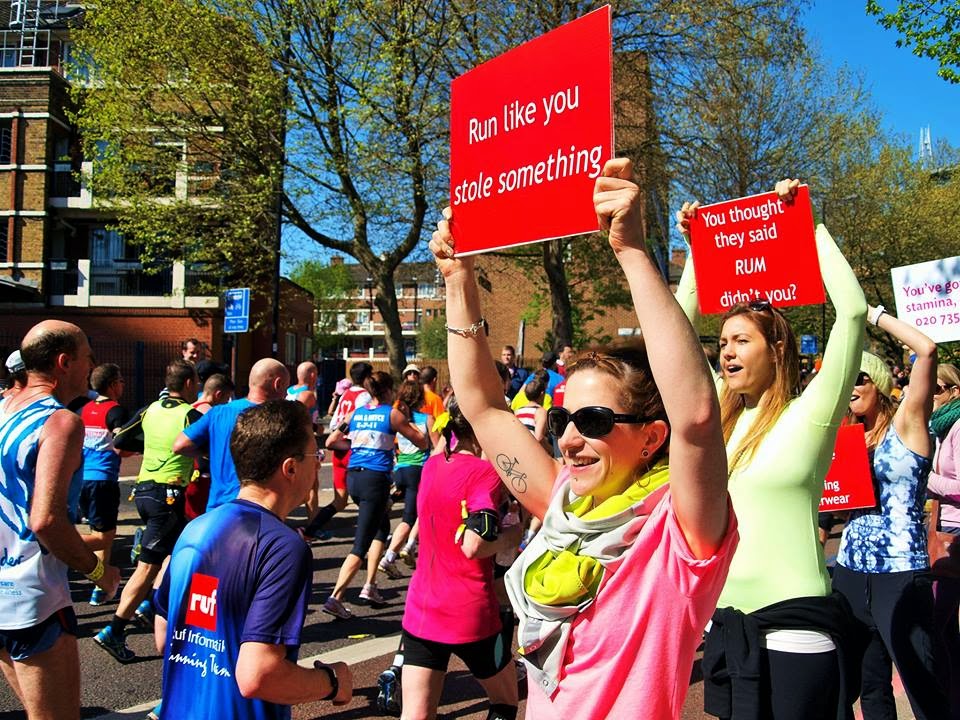
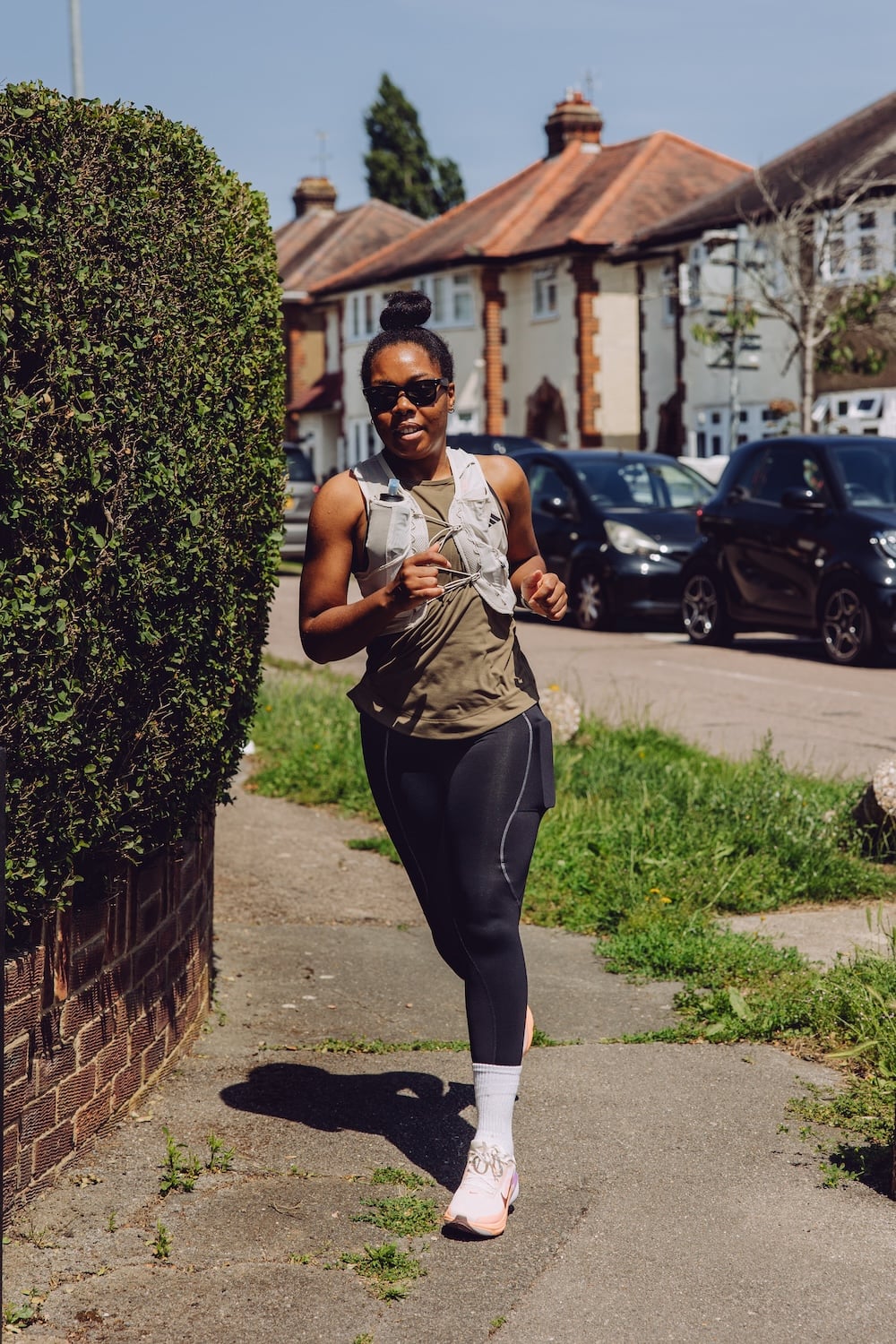
Personally, I think that training for a marathon is up there with some of lifes biggest events like preparing for a wedding, moving house, or having a baby. Everyone and their sister has advice, everyone has an opinion, and no matter how much you prepare, there will still be surprises along the way.
When I signed up for the London Marathon, I knew I would need to put in the miles. And as much as I was aware how much the right gear, fuelling strategy, and recovery routine would influence those miles, actually going through the process is very different to just imagining it.
Over the months leading up to race day, I completed countless training runs, battled cold winter mornings, ran through rain, sunshine, and everything in between, and learned a lot about what works (and what definitely doesn’t).
This post is written in collaboration with Very to help you prepare for your first marathon. I’m sharing the marathon training essentials that helped me get to the start line and ultimately across the finish line.
Why Marathon Training Requires More Than Just Running Shoes
When most people think about marathon training, they focus on the running itself. While logging the miles is obviously important, successful marathon training is about much more than that.
Long runs place significant demands on your body. Your clothing needs to keep you comfortable in changing weather conditions. Your hydration strategy needs to be practised well before race day. Your recovery routine needs to support the hard work you’re putting in each week.
The good news is that you don’t need every gadget or trending product that’s out there. A handful of reliable essentials can make a huge difference to your comfort, confidence, and consistency throughout your marathon training programme. When I decided to run a marathon, I promised myself that I’d just use what I already owned (as a keen runner already) and only buy based on real need.
My Most Important Marathon Training Essentials
1. A Reliable Pair of Running Shoes
While it’s super important to invest in the right pair of running shoes, finding them can end up being an expensive endeavour. My suggestion is to start with whatever you have, because the best running shoe really comes down to personal preference. What works perfectly for one runner may not work for another.
Your shoes are going to need to carry you through every easy run, tempo session, interval workout, and long-distance run, so my suggestion is to have two pairs that you can rotate. I had a pair I used for my easy runs and longs runs and a pair for my speed sessions.
By the end of my marathon training, the shoes I used were worn out so I’ve just added a new pair of Nike running trainers from Very, into my rotation.
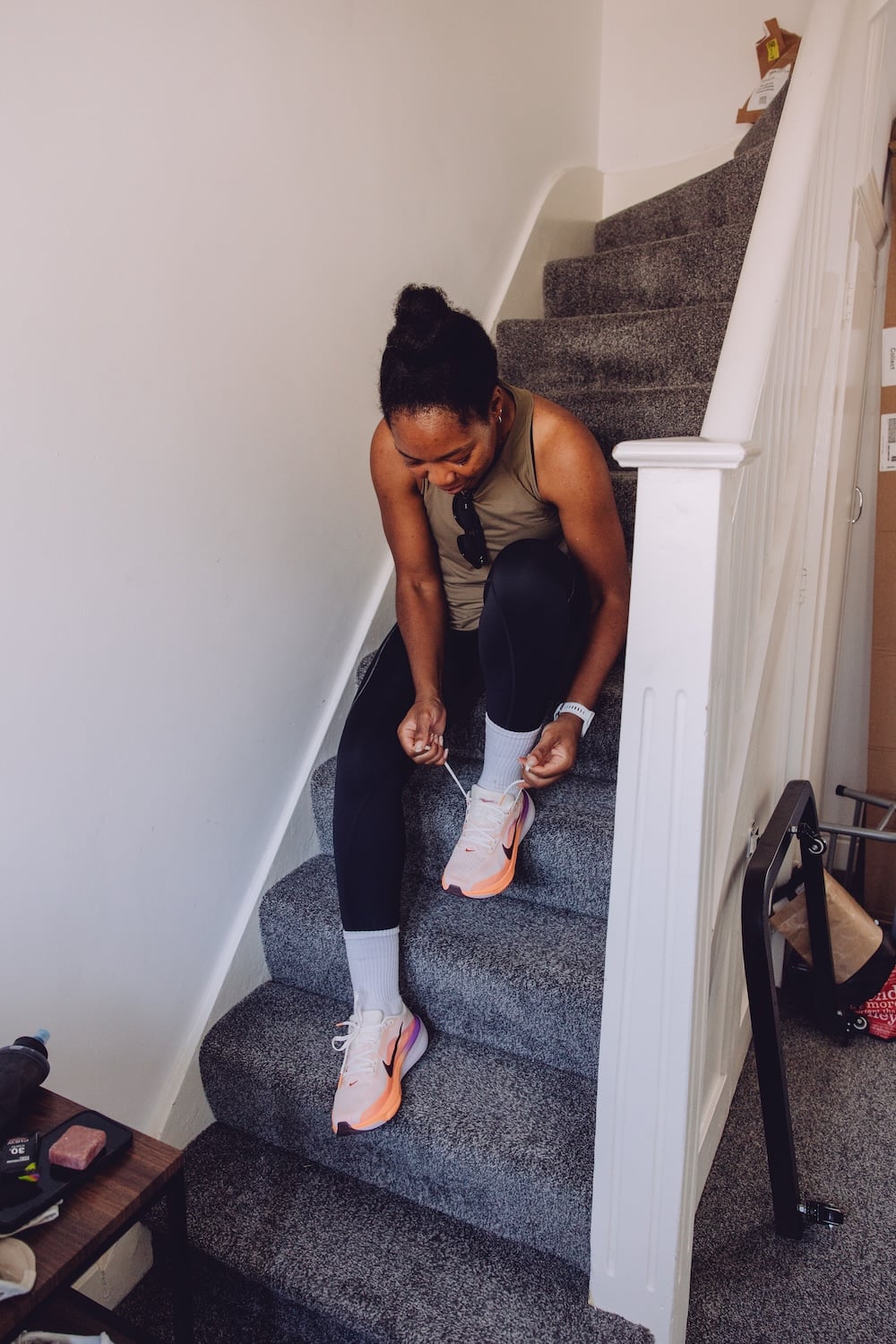
You can always visit a specialist running shop to get properly fitted, just make sure you allow yourself enough time to test your shoes before your big race.
And you have to avoid the cardinal sin of buying a completely new lightweight pair of running shoes a few days before race day. Race shoes should be tested during training so you know exactly how they’ll feel over longer distances.
2. A Hydration Pack for All Your Runs
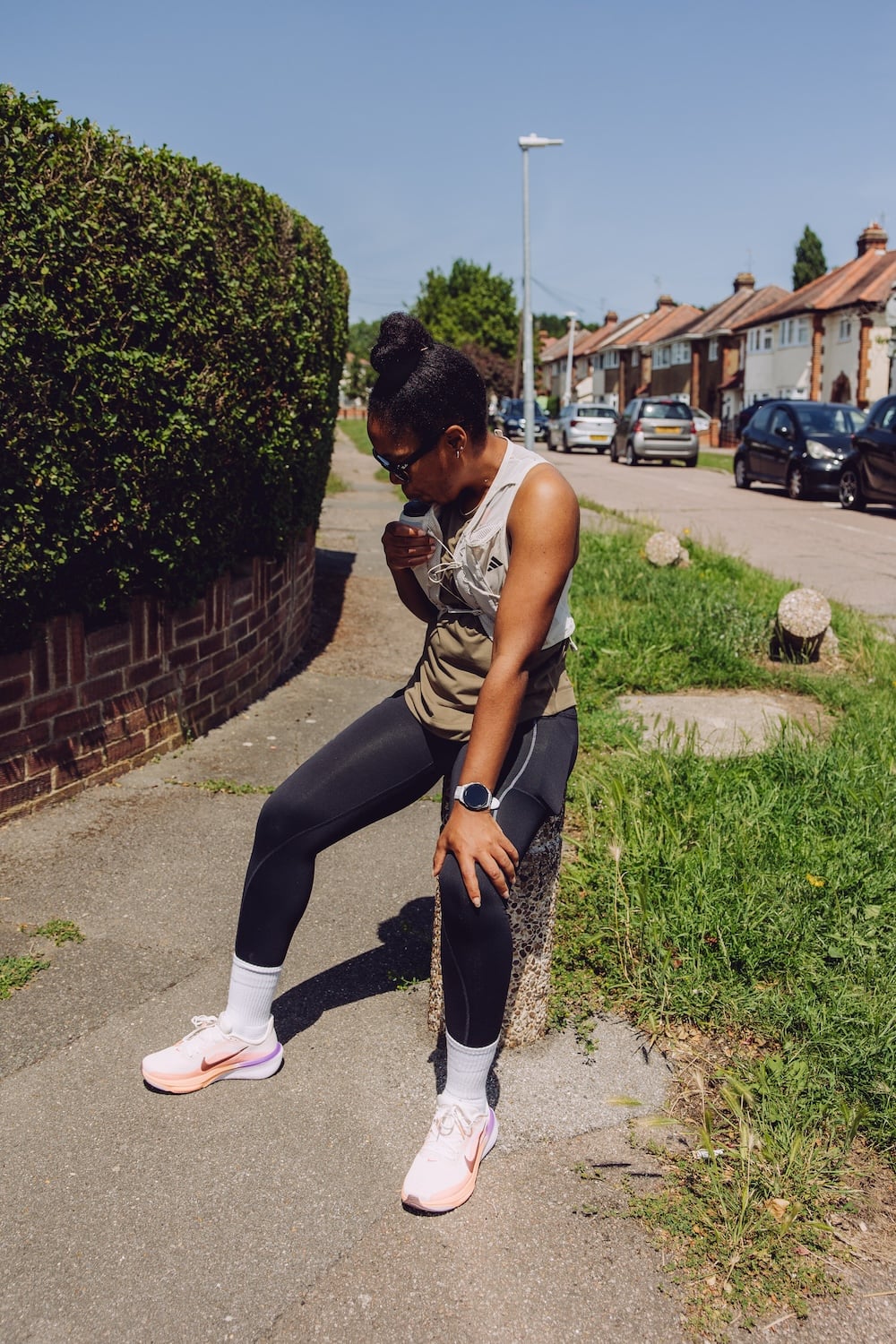
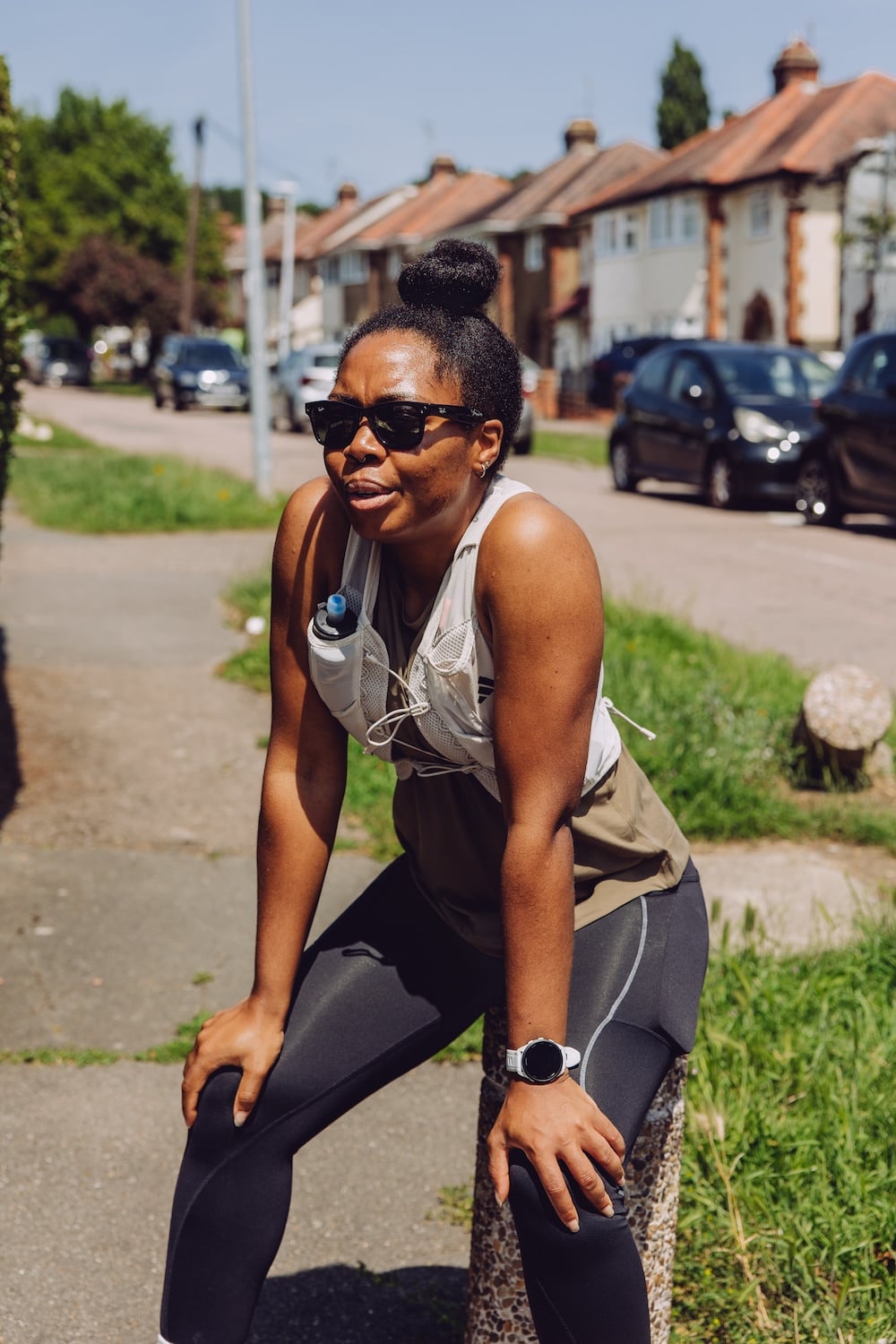
Recently, there’s been a lot of talk on social media suggesting people don’t need hydration packs or running vests for shorter runs, but when you’re training for a marathon, there are endless reasons why a hydration pack is a good idea.
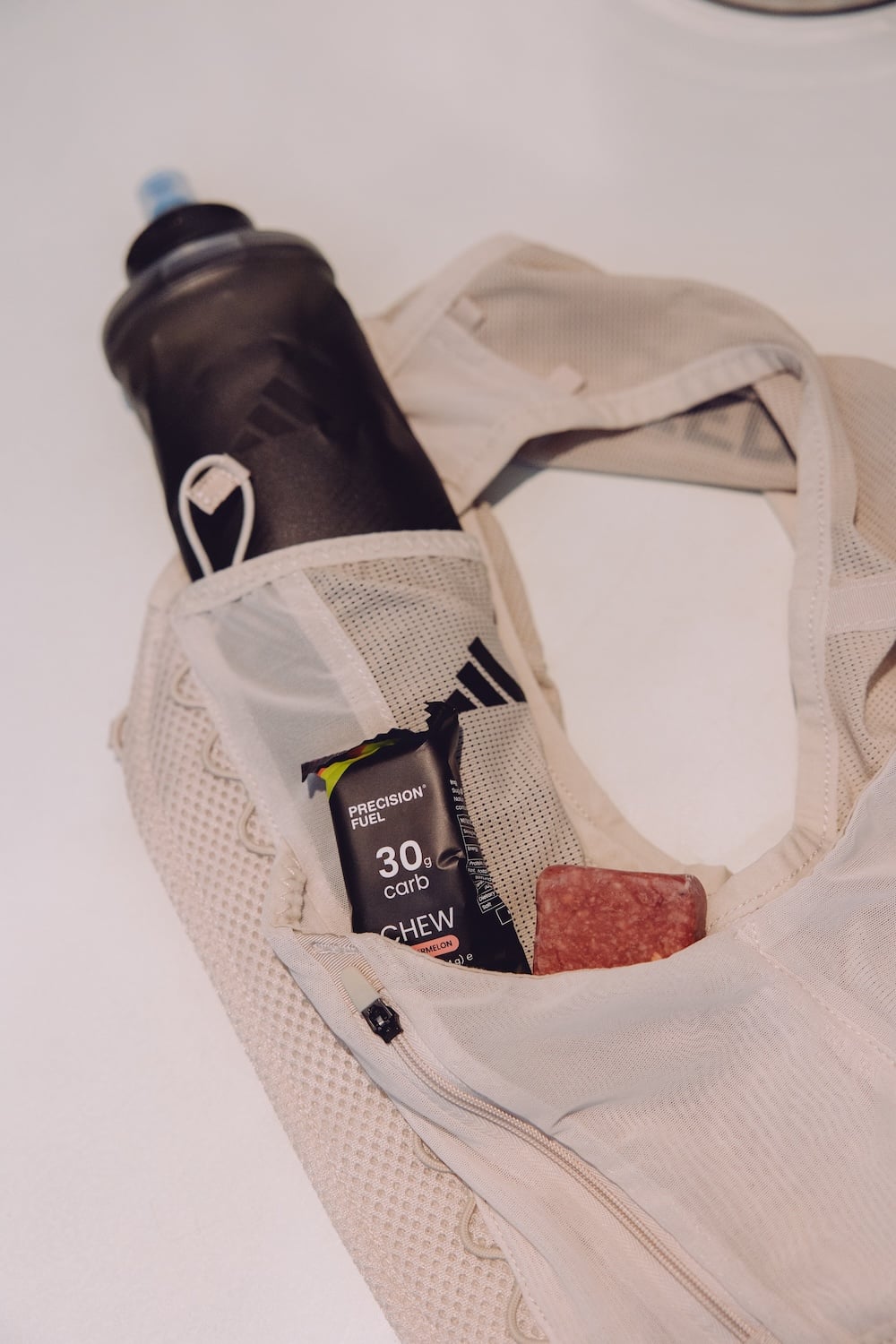
One of the biggest lessons I learned during marathon training was the importance of practising hydration and of course, when your distance starts to increase, carrying fluids becomes increasingly important, particularly during hot weather or humid runs.
But going back to the point about running shoes, it’s really important to get used to all your kit during training to reduce the risk of issues on race day. I really thought of marathon training as an audition process for my race day kit, and nutrition.
While some runners prefer a handheld bottle or hydration belts, I personally found a hydration pack to be the most comfortable option during longer runs.
Having water readily available allowed me to drink regularly, carry nutrition, and focus on the run rather than worrying about where the next water stop might be. Running vests can also carry your phone, house keys and layers that you may take off.
3. Comfortable Running Clothing
When you’re spending several hours on your feet, comfort matters. The right running gear should help regulate body temperature, wick moisture away from your skin, and minimise irritation.
I always look for lightweight fabrics and moisture-wicking tops that help keep me comfortable regardless of the weather conditions.
For women, a supportive sports bra is equally important. A poorly fitting running bra can quickly turn a long run into an uncomfortable experience.
It might not be the most exciting part of your marathon gear checklist, but comfortable clothing can make a significant difference during training days and race day alike.
4. Energy Gels and Marathon Fuel
The longer your runs become, the more important hydration and fuelling becomes. If you don’t start taking on fuel, especially when runs start getting longer, you’ll find your energy levels start to drop which makes running feel even more difficult that it already is.
For me, practising with energy gels during long training runs was essential. Your body needs fuel to perform, and race day is not the time to experiment with unfamiliar products.
Use your training runs to test different energy gels, energy bars, and hydration strategies so that by race morning, you know exactly what works for your body. A lot of the nutrition and products I used can be found in my Marathon Training list on my Amazon Storefront.
5. Recovery Tools
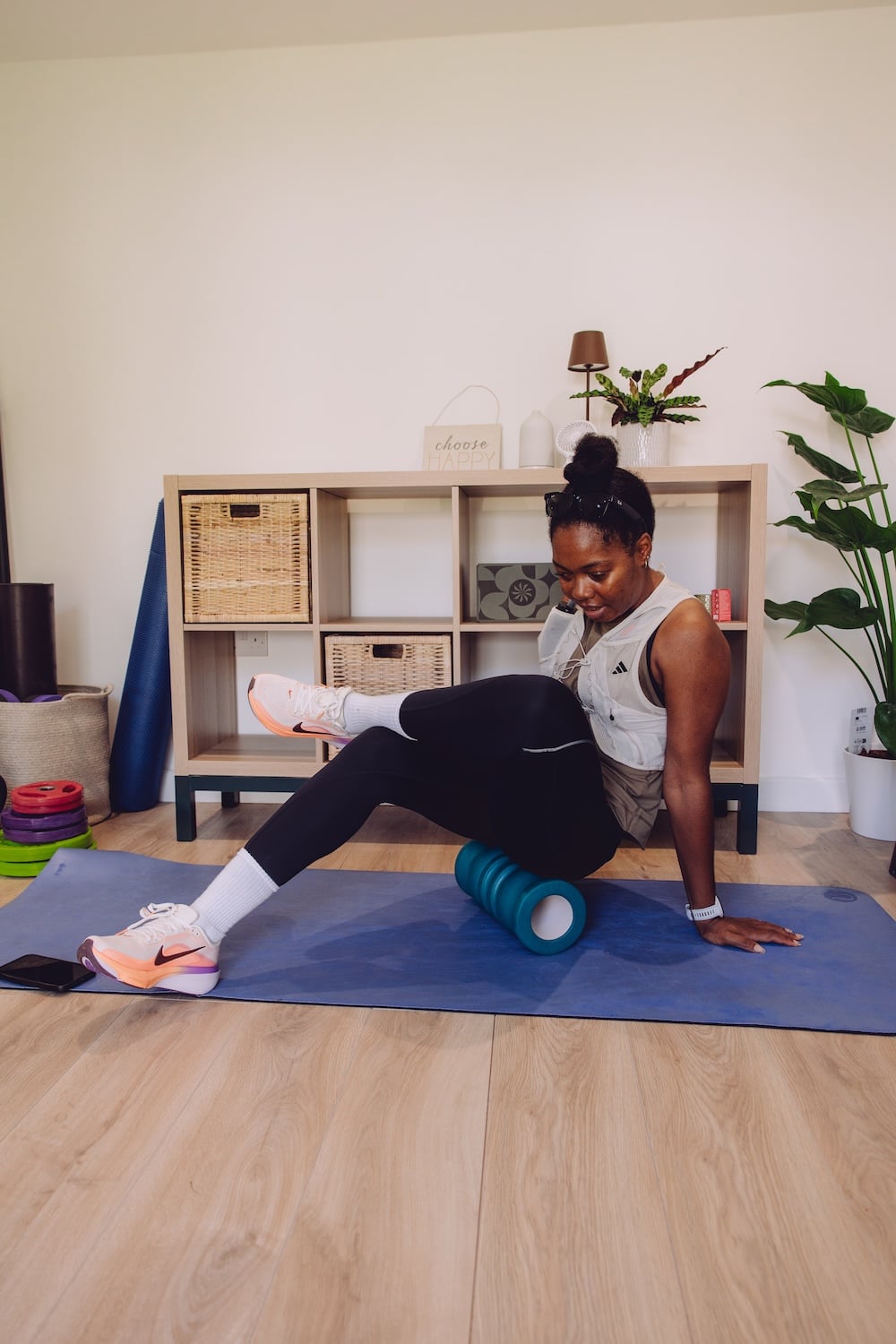
My favourite part of training, is always recovery. This is when training adaptations happen – the results of your hard work. If you don’t rest, your body cant adapt.
So while it’s tempting to focus solely on running, recovery plays a huge role in helping you stay consistent and avoid injury.
Simple recovery tools such as a foam roller, mobility work, stretching, and compression socks can all support recovery between sessions. I just uploaded some lower body foam rolling sessions to my Prehab Playlist on YouTube.
Recovery doesn’t need to be complicated or expensive. The key is making it a regular part of your routine rather than something you only think about when something starts hurting.
The Marathon Training Essential Nobody Talks About
If I had to choose the single most important part of my running set-up, it wouldn’t actually be any piece of gear.
It would be consistency.
Marathon training isn’t about one perfect run.
It’s about showing up week after week, completing your long runs, learning from the tough sessions, and trusting the process.
There were plenty of mornings when I didn’t feel motivated. There were days when the weather was miserable and the sofa seemed far more appealing than a training run.
But every run completed added another brick to the foundation I would eventually rely on during the marathon itself.
The finish line is built long before race day arrives.
What I Learned Training for My First Marathon
Training for my first marathon taught me that success isn’t about perfection.
You don’t need the most expensive running watch, the latest recovery gadget, or a wardrobe full of specialist gear.
You need a realistic marathon training plan, a pair of shoes that work for you, a hydration strategy that you’ve practised, and the patience to trust the process.
There will be difficult runs.There will be setbacks.
There will most definitely be moments when you question why you signed up in the first place.
But there will also be breakthrough sessions, personal bests, and an incredible sense of achievement when you finally stand on that start line knowing you’ve done the work.
Marathon Gear Checklist
If you’re preparing for your first marathon, here’s a quick checklist of essential items:
- Running shoes
- Technical running socks
- Sports bra
- Moisture-wicking running top
- Running leggings or shorts
- Hydration pack or water bottle
- Energy gels
- Race bib and safety pins
- Anti-chafing product such as Body Glide
- Foam roller
- Compression socks
- Weather-appropriate layers
You can check out my full long run kit list on the blog here.
Crossing the finish line of the London Marathon remains one of the proudest moments of my running journey. My medal along with my bib and some pictures is proudly framed and living on the wall of my office to remind me of what I can achieve every day.
While no item of running gear can replace consistent training, having the right essentials can make the process more comfortable, enjoyable, and sustainable.
If you’re currently training for your first marathon, focus on finding the gear that works for you, practise your hydration and fuelling strategy, and remember that every long run is preparing you for the big day.
Trust the process, enjoy the journey, and keep moving forward one mile at a time.
Elle