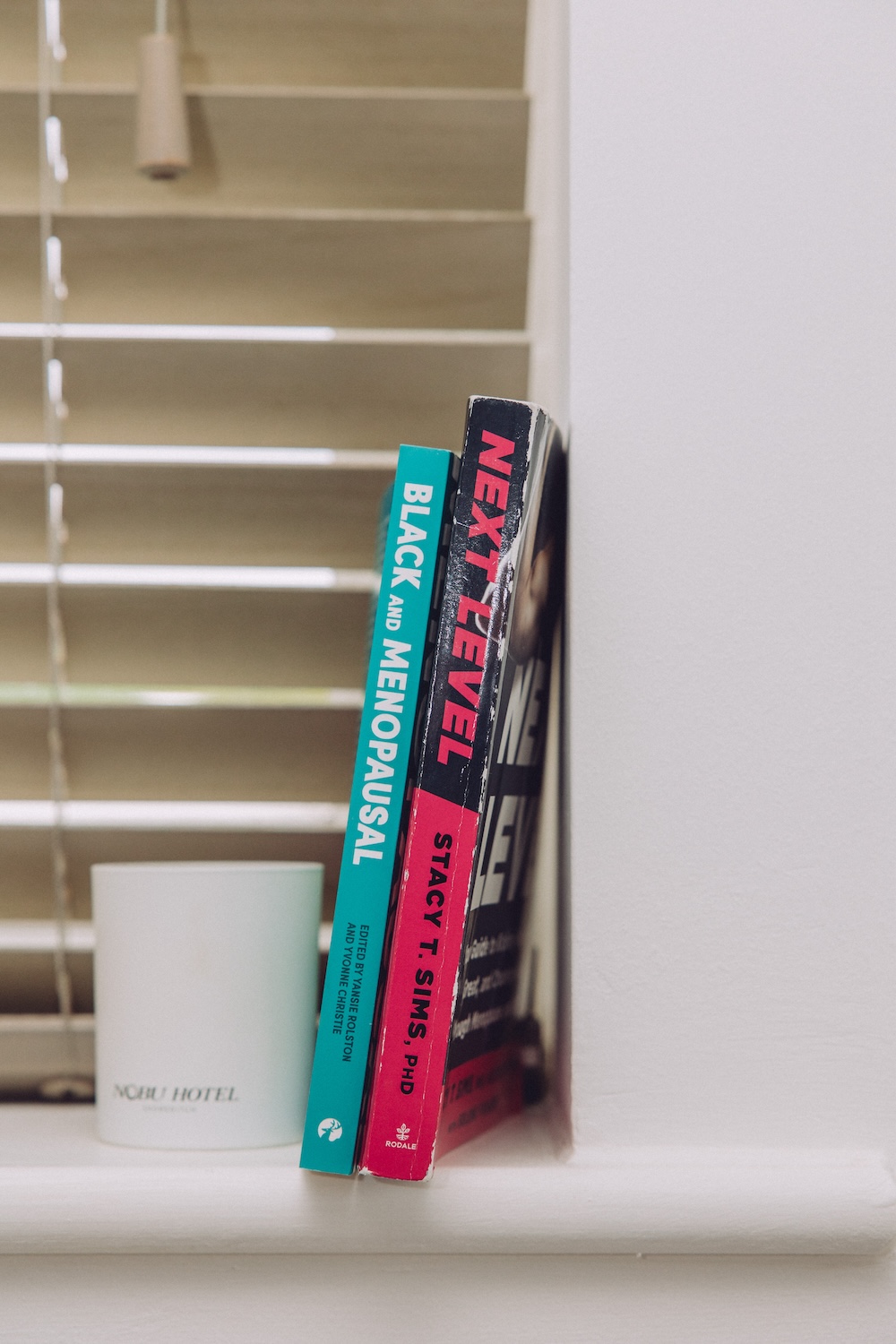

Did you see the trend doing the rounds on social media where the on-screen text and caption say “the sound you make when you realise that for once, you’re not starting over… you’re continuing the process.”?
For the first time in a long time, I’m finally able to take that approach heading out of the last year and into this new one.
The start of a new year often comes with pressure to overhaul everything. New routines, new goals, big promises. But during the winter season, with darker days, colder temperatures and lower energy levels, that approach rarely supports either physical health or mental well-being.
Instead, I’ve decided to treat January as a natural pause point. A soft start. A chance to return to simple (or simpElle), sustainable habits that help me feel better day to day, not just for a few weeks, but for the rest of the year too.
This winter, Very provided me with a few key pieces that fit seamlessly into those habits. Nothing extreme or life-overhauling, just practical tools that support staying active, nourishing my body and creating wellness routines that feel energising and uplifting during the colder months.
Why Winter Is the Perfect Time for Sustainable Habits
The colder months always come with their unique challenges. Shorter days, less natural light, cold weather and disrupted routines can all affect mental health, sleep and motivation. It’s also the time of year when seasonal affective disorder, low mood and fatigue are more likely to show up.
The good news is that winter is also a great time to simplify. Rather than chasing lofty goals or dramatic changes, small, practical habits often go a long way. Focusing on daily routines that support energy, movement and rest can make winter feel more manageable and, surprisingly, more energising.
I’m gonna share some of the habits I’ve implemented in my day to day routine, that have stuck and have a huge impact when you add it all up.
Habit 1: Set Gentle Daily Targets That Support Real Life

One of the most effective ways I stay consistent is by tracking habits that support how I want to feel, rather than what I think I should be doing.
Using my Fitbit Versa 4, I set realistic daily targets around:
- Wake-up time and bedtime
- Getting enough sleep
- Steps and floors climbed
- Water intake
Tools like smart watches can be a great way to build awareness around your daily routine without adding pressure. I use the data to notice patterns, not to judge myself. It helps me stay active in simple ways and adjust gently when energy levels dip.
Habit 2: Treat Sleep as the Foundation, Not an Afterthought
During the winter months, sleep hygiene becomes even more important. Darker days, extra screen time and colder weather can all disrupt sleep, which then affects everything else.
I prioritise a consistent bedtime, calming evening routines and enough sleep to support both mental health and physical health. Better sleep improves energy levels, supports immune health and makes physical activity feel so much easier the next day.
Sleep isn’t a luxury. It’s one of the most powerful wellness habits you can build at this time of year.
Habit 3: Make Everyday Movement the Default



Physical activity, movement or exercise doesn’t need to be intense to be effective, especially in the colder months.
In winter, I focus on movement that feels accessible:
- A short walk or brisk walk for fresh air
- Gentle mobility exercises
- Strength training sessions that fit into busy days
- Outdoor activities when the weather allows
Even small amounts of movement help regulate the nervous system, support mental well-being and maintain fitness when motivation is low. Consistency matters far more than perfect workout routines.
Habit 4: Support Energy With Simple, Nourishing Choices
Lower energy levels are common during the winter season, which is why I focus on nourishment that feels warming, supportive and easy to maintain.
That includes:
- Nutritious foods rich in essential nutrients
- Leafy greens alongside warming spices
- Plenty of water, often starting the day with warm lemon water
- Herbal teas to support hydration and comfort
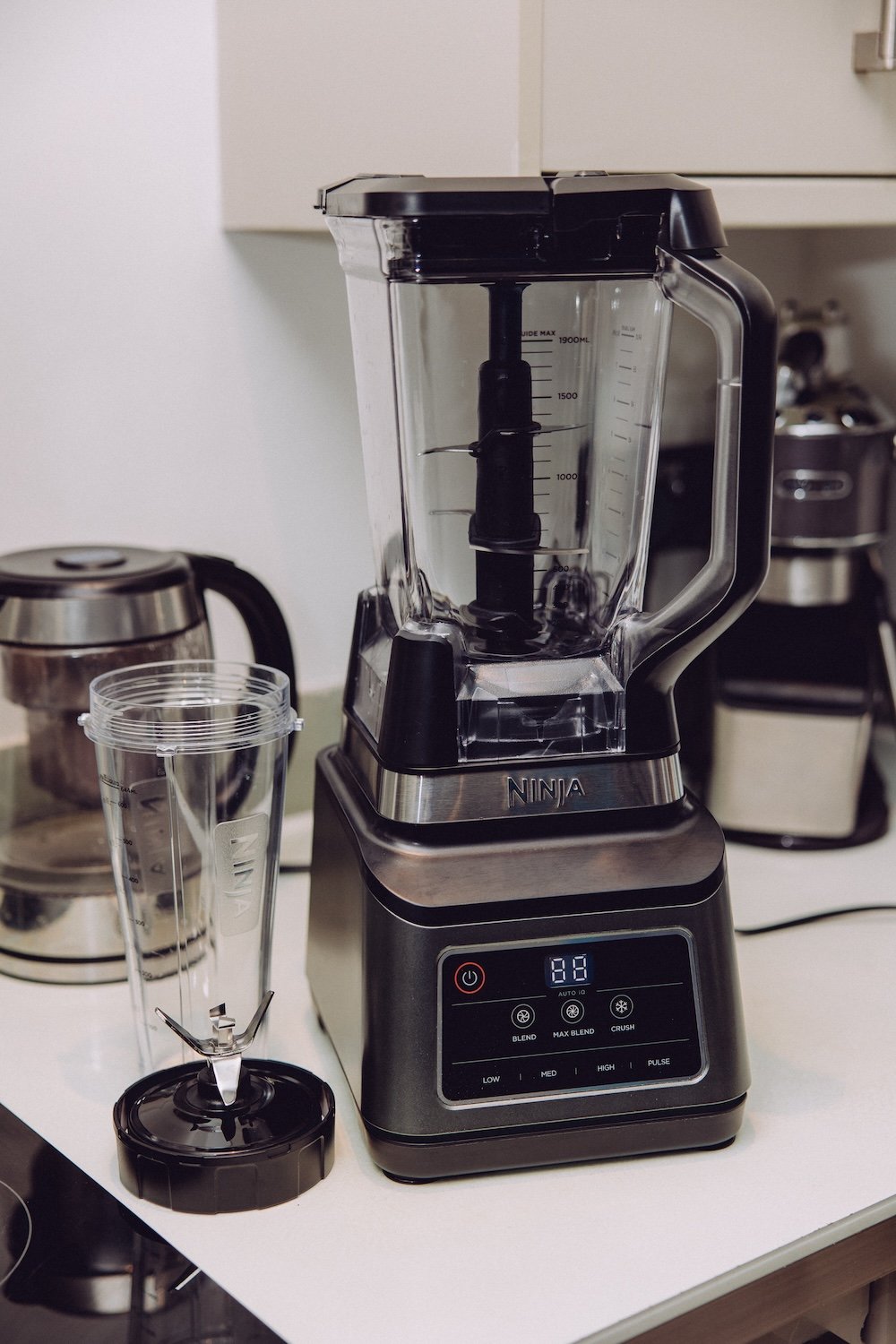
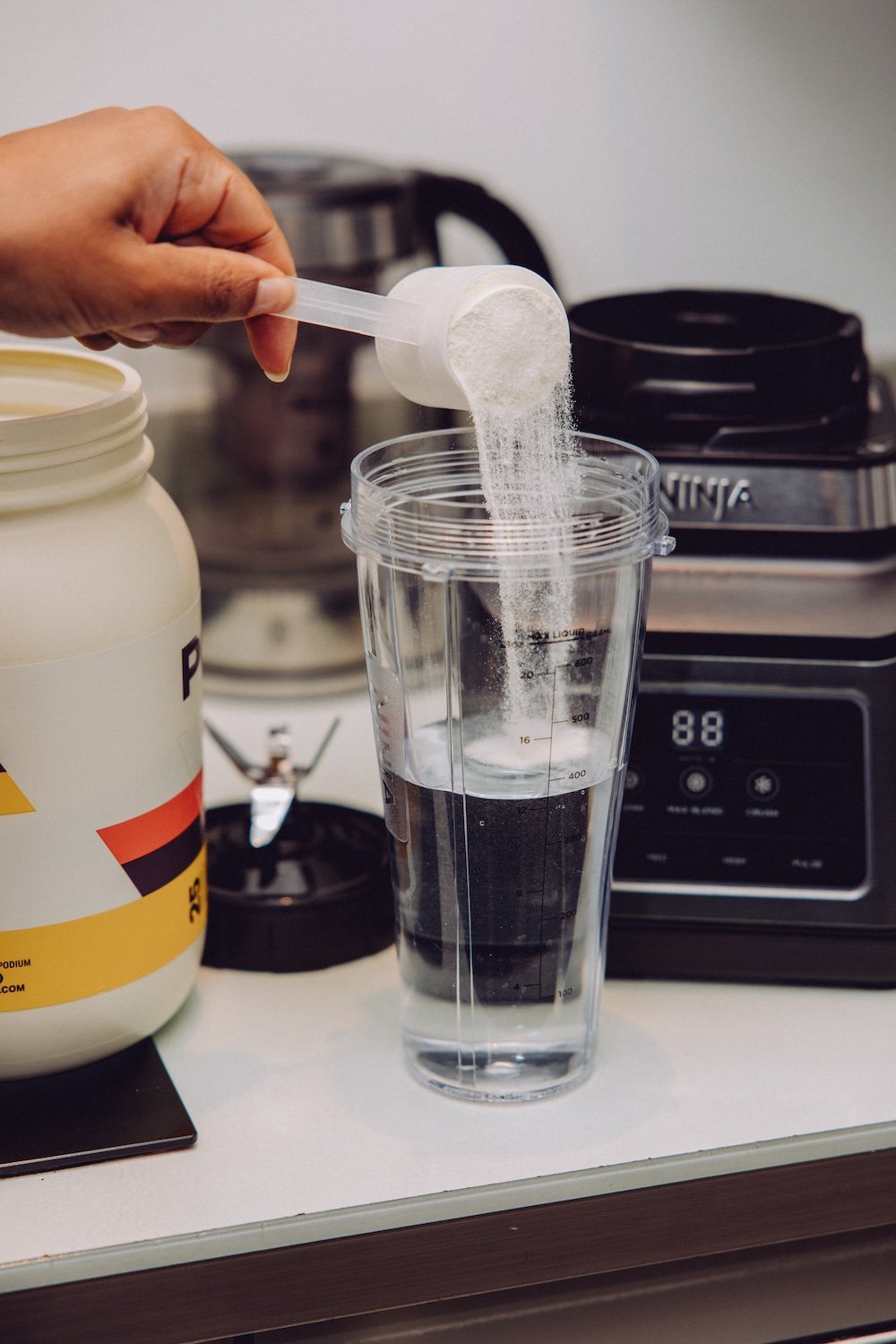
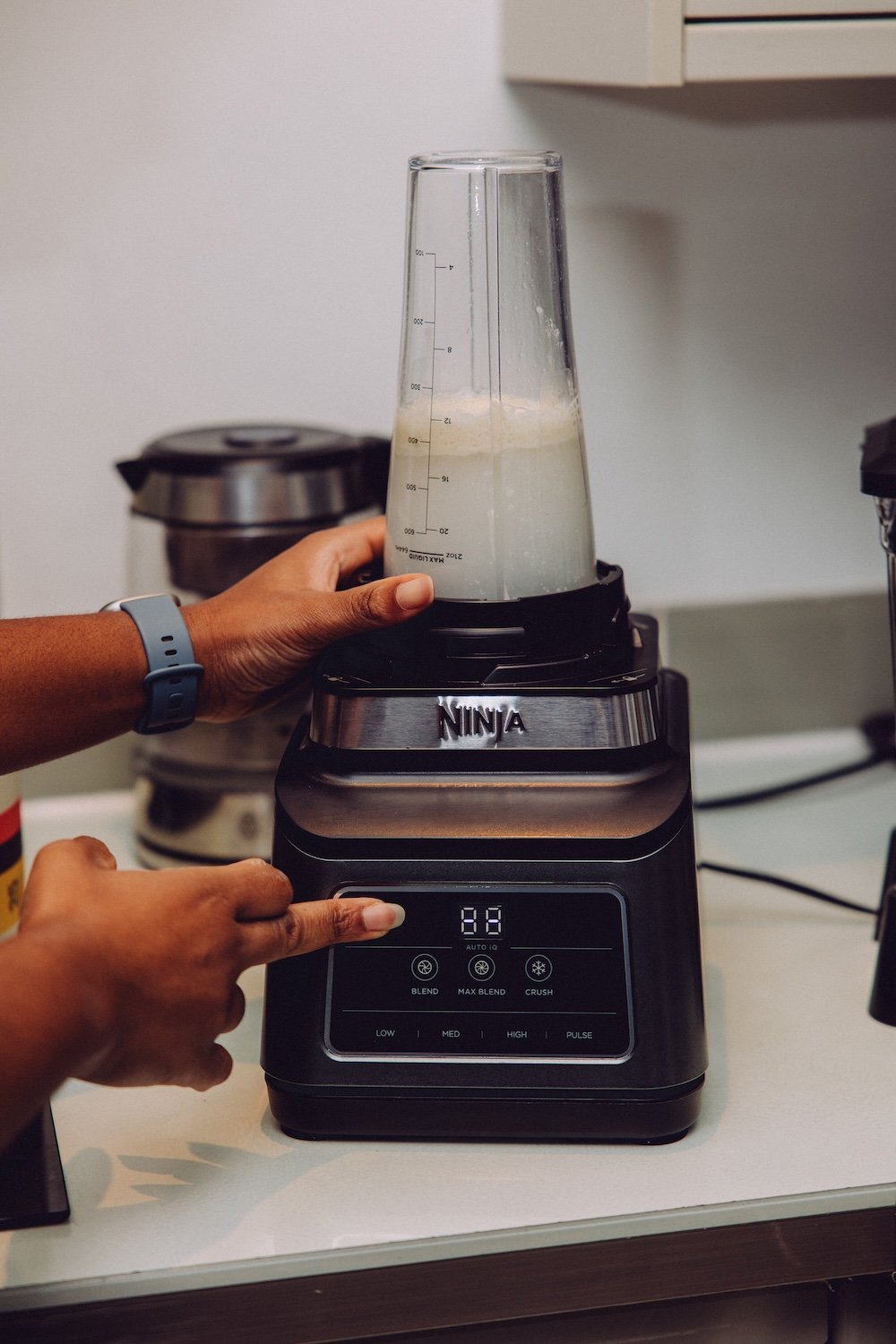
Having simple food-prep tools on hand makes this much easier. The Ninja Blender featured here is an upgrade on the model I previously owned. It’s ideal for quick smoothies, soups and warming meals that support energy levels and immune system health without adding extra effort or decision fatigue.
Explore Soup & Smoothie Recipes On The Blog:
- January Greens Smoothie
- Piña Colada Pineapple Smoothie with Natures Plus
- Blueberry Oatmeal Breakfast Smoothie Recipe
- Chocolate Strawberry Superfood Smoothie with Nutri Advanced
- #SuperPoweredYou Almond and Cacao Smoothie
- So Fresh & So Green Smoothie with Nature’s Plus
- ‘Going For Gold’ Mango Smoothie for PUMA
- Ujjayi Soup Recipe
- Soup Season: Chicken Noodle Soup Recipe
- Sweet Potato & Chilli Soup
Habit 5: Track Progress Without Letting It Take Over
Tracking can be helpful, but only when it stays supportive.
I use data to look at trends over time rather than day-to-day fluctuations. Some days movement is lower. Some nights sleep isn’t great. That’s normal, no matter the time of year.
Wellness challenges and step challenges are a good way to stay accountable but they should support healthy routines, not create stress. Awareness is useful; perfection isn’t required.
Habit 6: Build Recovery, Rest and Connection Into Your Routine
Winter wellness isn’t just about movement and nutrition. Recovery, emotional well-being and social connections play a huge role too.
That might look like:
- Spending time with family members or friends
- Prioritising social interaction and social support
- Warm baths, essential oils or a calming evening routine
- Extra care for dry skin during colder weather
Rest and recovery help support the nervous system, immune health and long-term consistency. Slower days aren’t a setback; they’re part of staying active for your entire life.
A Winter Wellness Routine That Lasts Beyond January
None of these habits are dramatic. That’s exactly why they work.
Together, they create a winter wellness routine built on practical tips, healthy habits and realistic expectations. This approach supports physical activity, mental well-being and overall health not just at the start of a new year, but throughout the colder months and beyond.
January doesn’t have to mean starting over. With the right strategies, it can simply be the ideal time to continue building habits that support how you want to feel, day after day.
Instead of starting over, what’s something you’re choosing to continue this winter?
Elle